Last updated November 25, 2026
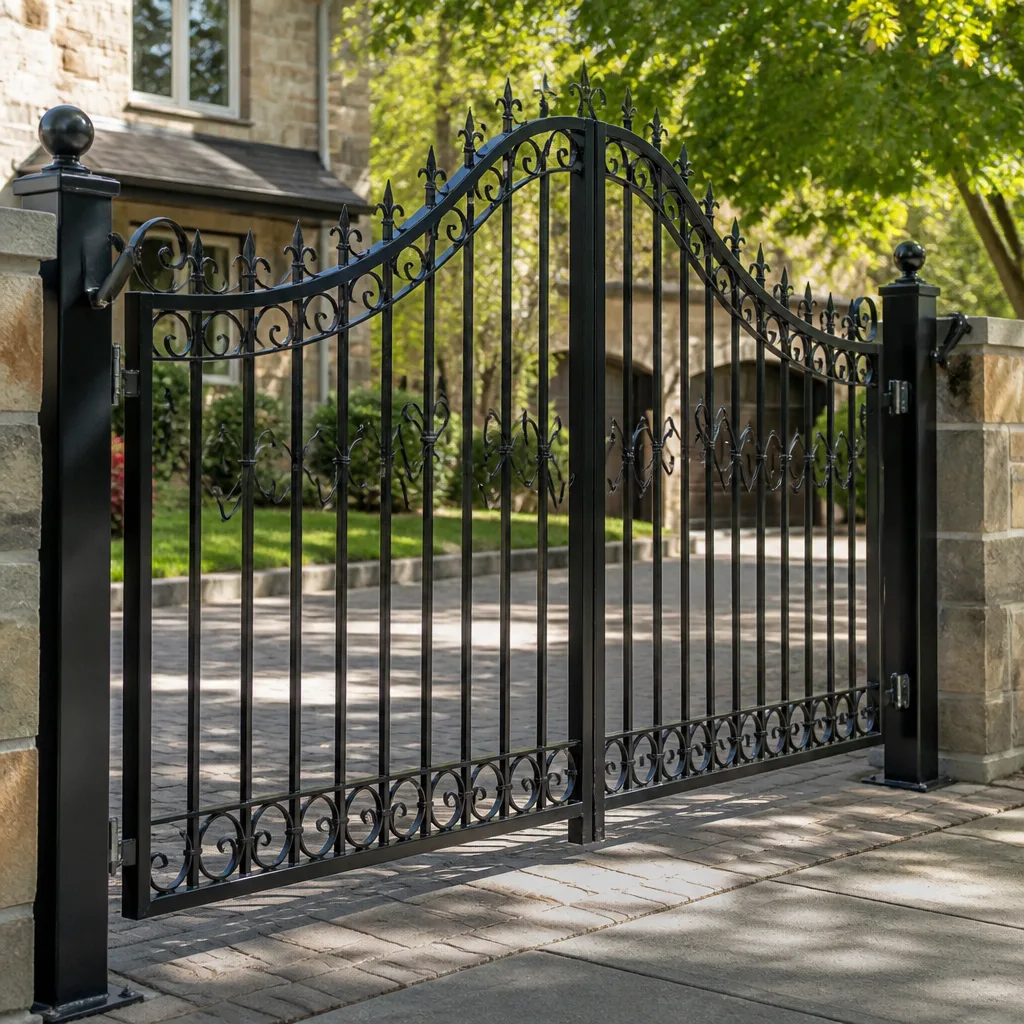 Wrought iron
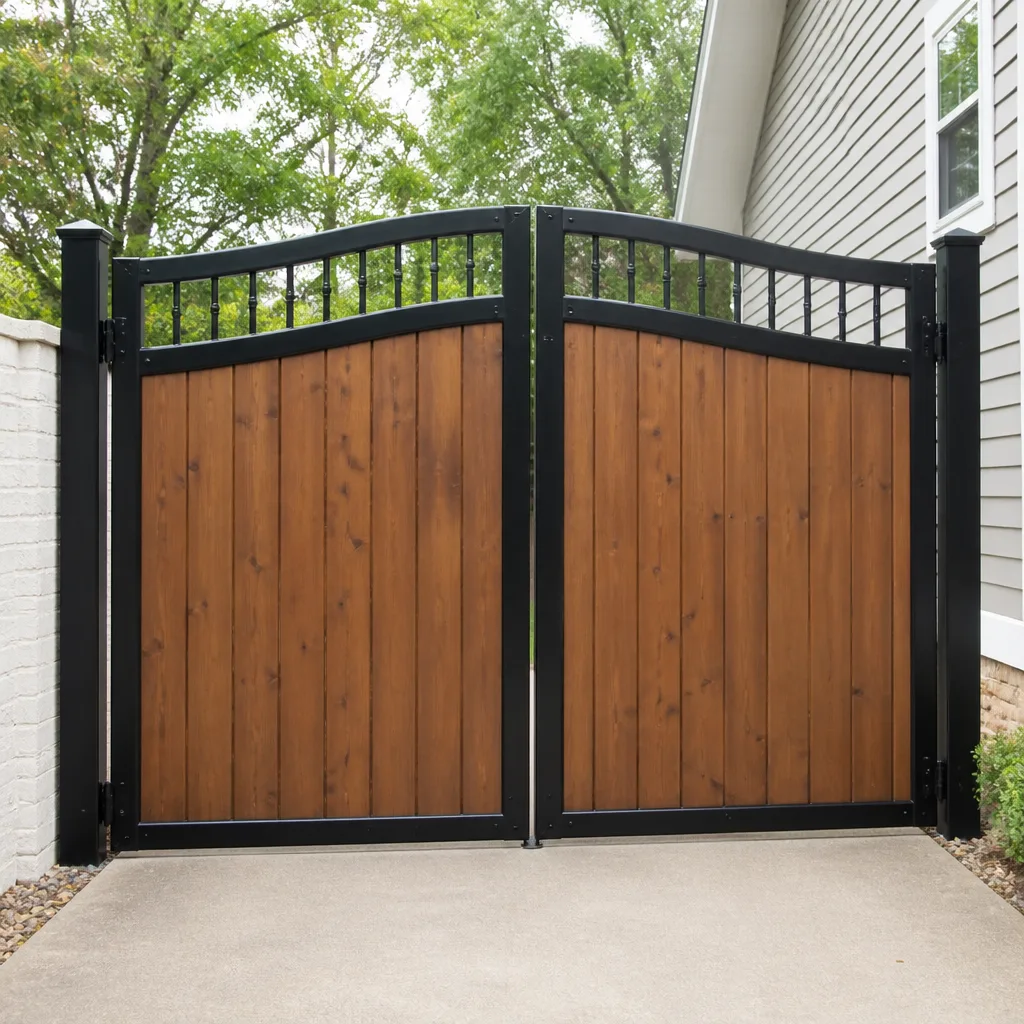 Wood & steel frame
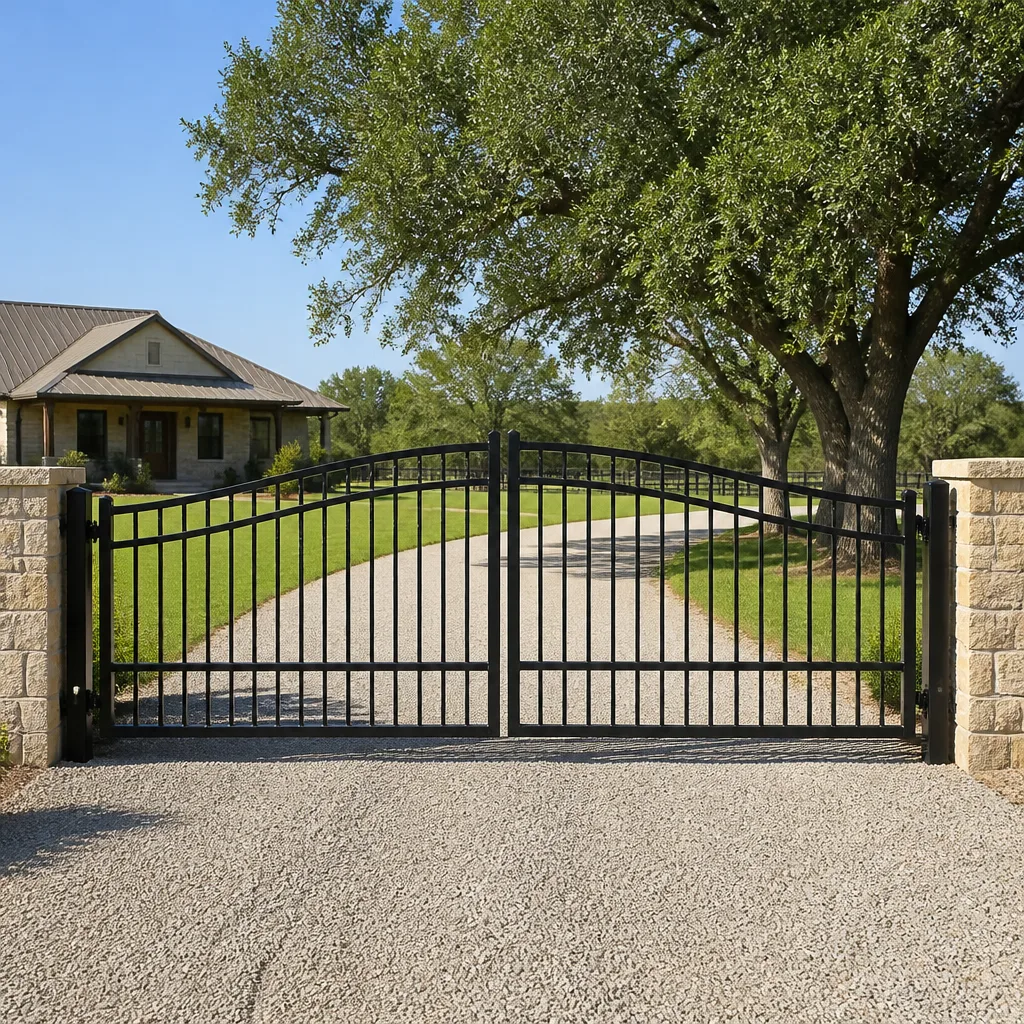 Farm & ranch
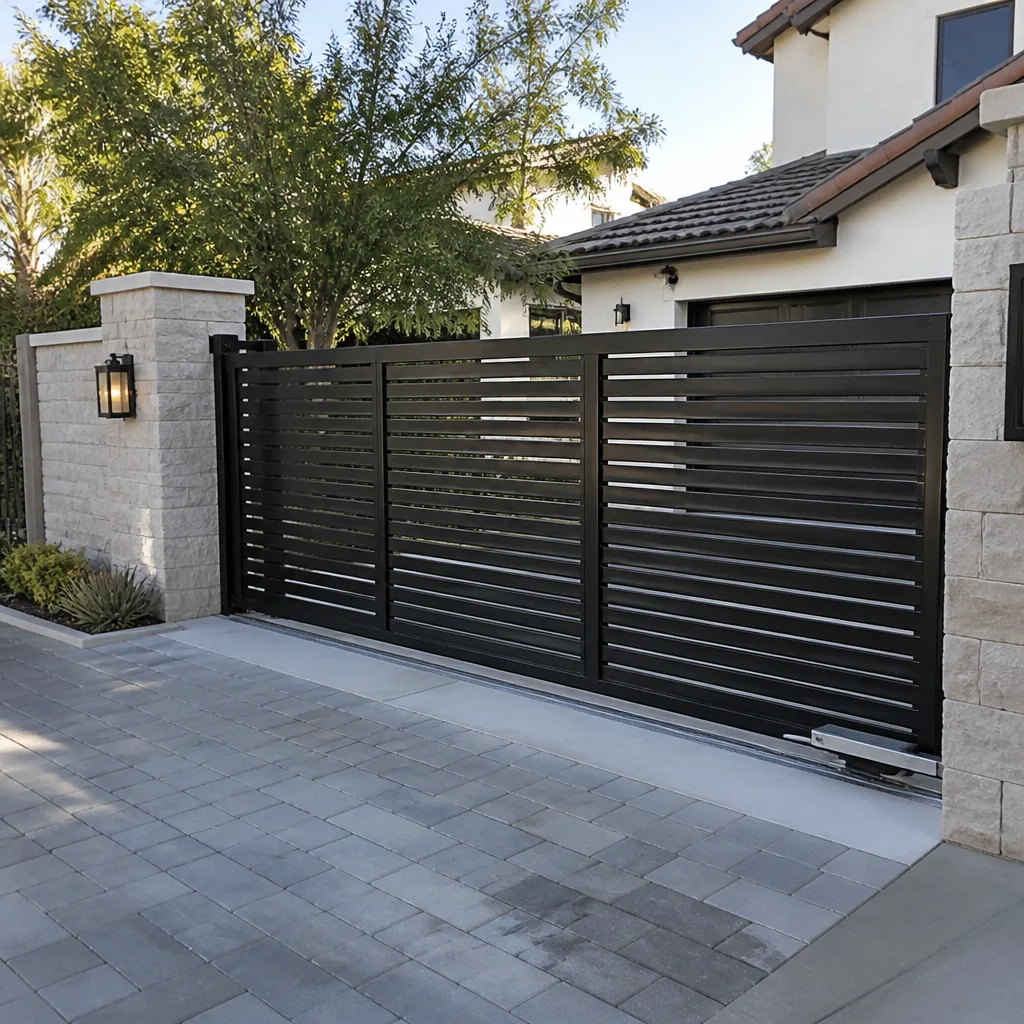 Sliding driveway gates
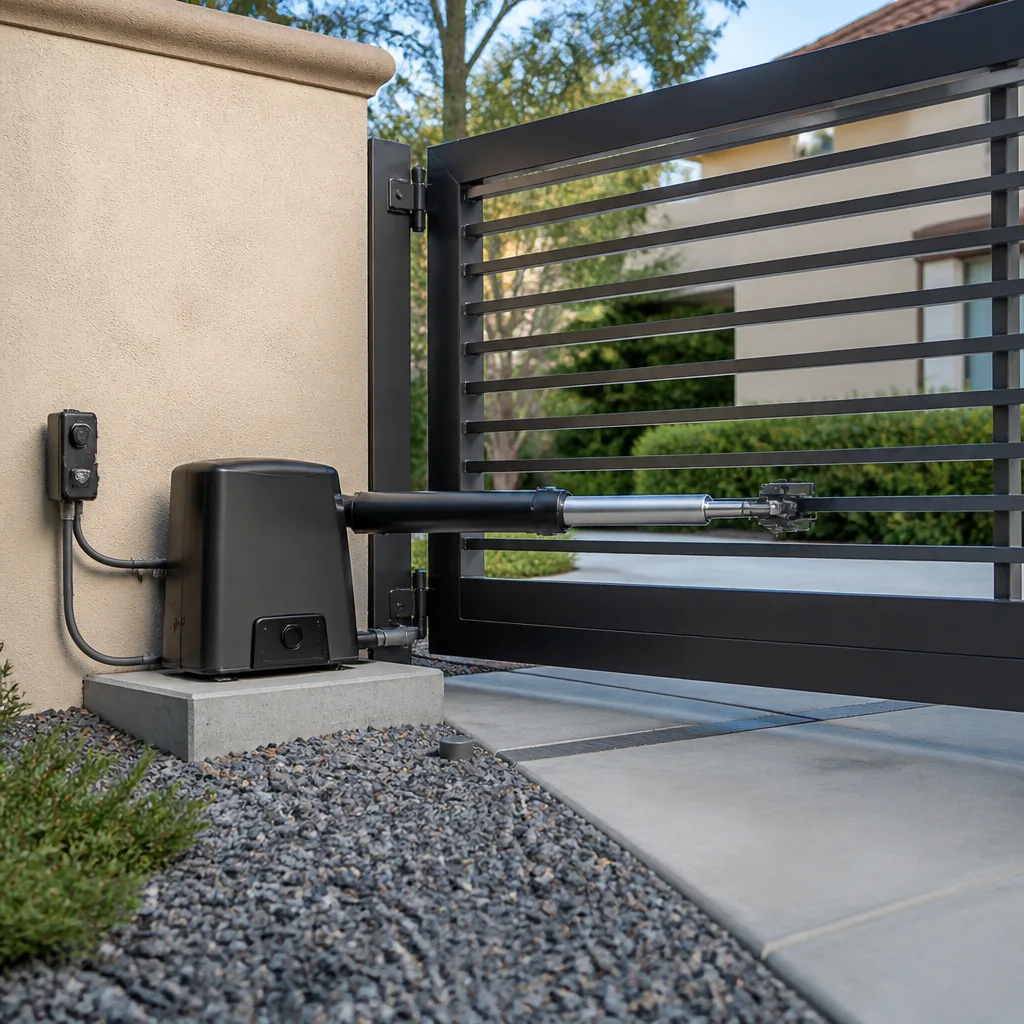 LiftMaster operators
Free on-site gate assessment - hinges, posts, and your LiftMaster or Nice gate operator checked before anything is quoted
The assessment is free and the quote is the invoice.
Get your free estimateHow to Hire a Gate Repair Contractor in St. Johns: A Step-by-Step Guide
The contractor who installed your neighbor’s fence and the technician trained to service a DoorKing access panel are not the same person, even if they hand you the same business card. In St. Johns, plenty of fence builders and handyman operations list gate repair on their website because it fills slow weeks between bigger jobs. The listing looks identical to a specialist’s. What separates them isn’t the sign on the truck; it’s whether the person who shows up can read a control board, trace a loop detector, and program a keypad without calling someone else for help. This guide gives you the exact questions and checks that expose real gate capability before money changes hands. You’ll learn what to ask on the phone, why a flat-rate quote issued before anyone looks at the gate is a warning rather than a favor, and how to compare competing quotes fairly.
Quick Answer
To hire a gate repair contractor in St. Johns, verify three things: specific training on your gate brand, direct experience with automated and electric systems rather than manual gates alone, and a written estimate issued after an on-site inspection. Oregon contractor registration is a starting filter, not proof of gate competency. Ask for your brand by name, describe the failure, and listen for a technical answer that matches your equipment.
Styles & brands we work with
- Wrought iron
- Wood & steel frame
- Farm & ranch
- Sliding driveway gates
- LiftMaster operators
Table of Contents
- How do you verify a gate contractor’s real qualifications in St. Johns?
- What five questions should you ask before booking a visit?
- What are the red flags in a gate repair quote?
- How do you compare two gate repair quotes that scope the job differently?
- Why does automated gate work need a different contractor than manual repair?
- What should a gate service agreement actually include?
- What is the step-by-step hiring process?
- How does the St. Johns climate shape gate wear and maintenance?
How do you verify a gate contractor’s real qualifications in St. Johns?
You verify a gate contractor by checking three layers separately: general contractor registration with the state, brand-specific training on the equipment you own, and demonstrated experience with automated systems. Each layer answers a different question, and most homeowners conflate them.
Oregon requires contractors to register with the Construction Contractors Board (CCB). That registration confirms a business filed paperwork and carries the required bond. It tells you almost nothing about whether the person can diagnose a failed Limit switch on a Linear slide operator or re-sync a LiftMaster receiver after a power surge. A roofer can hold the same CCB number and never touch a gate in their working life. Use registration as a minimum gate, not a competency test.
Brand training is the layer that matters most and the one you have to ask about directly. Manufacturers in the gate automation market run distinct training and certification tracks. A technician trained on FAAC swing operators has learned different control logic, different troubleshooting sequences, and different parts than one trained on Ghost Controls solar-friendly residential units. When a contractor tells you they “work on all brands,” press further. Ask which brands they’ve been trained on and which ones they’ll tell you to call someone else about. A specialist answers that question without flinching. A generalist changes the subject.
In St. Johns specifically, the practical check is whether the contractor can talk about the difference between a residential driveway operator and a community gate system. Property managers overseeing gated communities near the riverfront need access control integration, loop detectors, and intercom systems that a residential-only repair company simply won’t have in its toolkit. Ask what kind of jobs they usually handle. If every answer comes back to a homeowner’s single swing gate, your HOA entry system may be above their ceiling.
- Check the CCB number and confirm the business is active and bonded.
- Ask for brand names by training, not just brand names they service.
- Confirm automated gate experience including control boards, sensors, and loop detectors.
- Ask whether they handle commercial and community systems if you manage an HOA or multi-unit property.
- Ask what they don’t work on. A real specialist has boundaries.
When you’re ready to test those questions on a real call, you can reach a gate-focused team who works across the major automation brands and can talk through your system by name. Gate Repair St. Johns is a useful starting point if you want the conversation to go straight to the gate rather than a general handyman intake line.
What five questions should you ask before booking a visit?
Ask these five questions on the phone before anyone schedules a visit. The answers, not the pleasantries, tell you whether you’re talking to a gate specialist or someone who added “gates” to their service list because it sounded profitable.
1. “Which gate automation brands have you been trained on?” A qualified contractor names specific brands and describes the training. You might hear LiftMaster, FAAC, BFT, Linear, Viking, Ghost Controls, DoorKing, Elite, or Mighty Mule. A vague “we handle everything” is a soft pass. A specific list with the note that they don’t work on one or two brands is a stronger signal.
2. “What kind of gate system is this?” Describe your gate – swing or slide, single or dual, residential or community. A specialist will ask you follow-up questions about the operator model, the age of the control board, and how the gate behaves when it fails. A generalist will say “we’ll take a look” and book you without asking anything.
3. “Do you service the access control side, or just the mechanical gate?” If your keypad, intercom, or entry system is part of the problem, this question separates contractors fast. A gate specialist handles both. A fence company will tell you to call an electrician or a security company, which means two contractors and a coordination headache for you.
4. “Will the estimate be written and issued after you’ve inspected the gate on-site?” The only correct answer is yes. Any contractor who quotes a firm price over the phone for a repair they haven’t seen is guessing, and they’ll guess on the high side to protect themselves or hit you with a change order later.
5. “What happens if you find a second issue once you’re out there?” A skilled technician explains the process clearly: a site visit, a diagnosis, a written quote before work begins, and a call to you if the scope changes. If the answer involves “we’ll just handle it and bill you,” keep looking.
The quality of the answers matters more than the speed of the booking. A contractor who asks you two or three technical questions back is a contractor who has done this before. Our technicians have up to 11 years of experience specifically on gate systems, and the phone call is where that shows up first.
What are the red flags in a gate repair quote?
The biggest red flag in a gate repair quote is a firm, flat-rate number issued before anyone has looked at the gate. A quote like that is not a convenience. It’s either a padded guess or a lowball that will grow once the technician is standing in your driveway. Both outcomes cost you more than waiting for an honest inspection.
Gate failures rarely announce themselves in a single sentence. A gate that won’t close might have a misaligned hinge, a failed limit switch, a damaged control board, a bad sensor, a loop detector issue, or a wiring problem at the operator. Each of those is a different repair with a different part. Nobody can price that accurately without looking, and any contractor who claims otherwise is either guessing or planning to sell you something you didn’t ask for.
Here’s what to watch for in writing:
- A flat price before inspection. A warning, not a favor.
- No line items. A single lump-sum paragraph hides what you’re paying for. You want the diagnosis, the parts, and the labor listed separately.
- Parts pricing without a brand or model. A control board for one operator can cost very different amounts than another. If the quote doesn’t name the part, ask which one and why.
- No warranty language. Even a short written warranty on parts and workmanship tells you the contractor stands behind the diagnosis.
- Pressure to decide on the spot. A “today only” price on a repair is a sales tactic, not an emergency response.
- No written scope. If the quote doesn’t say what will be done, you can’t compare it to a second quote or hold anyone accountable.
- Subcontracted electrical work disguised as gate work. If the fix involves the power run or a panel, ask who does that part and whether they’re qualified for it.
The right quote is issued after the site visit, itemized, and agreed to in writing before any tool comes out of the case. If a contractor won’t put it in writing, that’s your answer.
How do you compare two gate repair quotes that scope the job differently?
You compare gate repair quotes by matching them line by line against the same diagnosis, then checking which parts and which labor are included. Two quotes for the same failing gate can differ by hundreds of dollars because one contractor is replacing a control board and the other is replacing the whole operator. Both may be right. But you can’t tell unless the quotes break the same problem into the same pieces.
Start with the diagnosis itself. Ask each contractor to write a one- or two-sentence explanation of what failed and why. If one says “the operator is bad” and the other says “the loop detector is misreading and the gate won’t close,” you’re not comparing quotes. You’re comparing two different opinions about the same piece of equipment. Get them to specify.
Then compare on these dimensions:
- Part numbers and brands. A Linear control board and a generic replacement are not the same thing. A DoorKing entry system part isn’t interchangeable with an off-brand one. Ask for the exact part and check it against your equipment.
- Labor hours. A realistic labor estimate reflects the actual work. If one quote includes 30 minutes and the other includes three hours for the same repair, someone is guessing.
- Diagnostic fee. Some contractors charge a separate trip fee and some fold it into the repair. Both are fine if it’s stated up front.
- Warranty. Compare what’s covered, for how long, and on which parts.
- Scope boundaries. If one quote includes a safety sensor check and the other doesn’t, the cheaper one may not be cheaper in practice.
- Access control work. If your keypad or intercom is involved, confirm whether both quotes include it or whether one contractor is planning to bring in a second vendor.
The way to compare fairly is to ask each contractor to confirm the diagnosis in writing before quoting. If they can’t or won’t, the quote itself is unreliable regardless of the number.
Why does automated gate work need a different contractor than manual repair?
Automated and electric gate repair requires skills that manual gate repair doesn’t touch: reading control boards, tracing low-voltage sensor wiring, adjusting limits, re-syncing receivers, and diagnosing loop detectors. A handyman who can fix a sagging hinge may not be able to bring a malfunctioning operator back online. The systems are different disciplines, and they call for different training.
An automatic gate system breaks down into two halves that fail in different ways. The mechanical half is what you can see: hinges, rollers, tracks, latches, arms, and swing or slide hardware. The electronic half is what makes the gate move on its own: the operator motor, the control board, the receiver, the safety sensors, the loop detector, the access keypad, the intercom, and the wiring that ties them together. A mechanical failure usually announces itself with a stuck gate. An electronic failure can look like a gate that opens halfway, opens and then reverses, opens for one remote but not another, or refuses to respond to the keypad at all.
Diagnosing the electronic side requires knowing the specific behavior of the specific brand. A Viking operator can fail in ways that look identical to a Ghost Controls fault from the outside, but the troubleshooting tree is completely different. A technician trained on only one brand will often default to “replace the board” when the real problem is a safety sensor that needs alignment or a receiver that needs re-pairing. That’s the difference between a $150 fix and a $600 one.
Access control adds a whole third layer. Keypads, intercoms, and entry systems bridge gate hardware and security technology, and a contractor who doesn’t work on those systems will bring in a second vendor or hand you off entirely. For St. Johns property managers and HOAs, that handoff is where jobs stall – the gate gets fixed, the keypad still doesn’t work, and the entry system becomes someone else’s problem to schedule around.
The right call covers the whole system. From the motor to the keypad, and from the mechanical gate on down to the sensors, one contractor should be able to diagnose it, quote it, and fix it without handing any piece to a separate trade. In practice, our gate repair work starts with the electronics as often as it starts with the hardware, because that’s where the mysterious failures usually live. If your diagnosis hasn’t been pinned down yet, that’s the service that gets you there.
What should a gate service agreement actually include?
A gate service agreement should specify exactly what visits cover, what’s included in the price, and what counts as an extra charge. Most contractors offer either nothing at all or a vague arrangement with no written scope. A useful agreement is specific enough that you know what you’re paying for before the first visit.
A well-written service agreement for a gate system covers these items:
- Visit frequency and timing. How often scheduled visits happen and what happens if a repair issue comes up between visits.
- Inspection checklist. What gets checked on each visit: hinges, rollers, tracks, alignment, operator function, control board status, sensors, loop detectors, keypad and intercom function, battery backup where applicable.
- Lubrication and adjustment. What gets lubricated, what gets adjusted, and how the work is documented.
- Parts pricing. Whether replacement parts are billed separately and how they’re priced.
- Emergency responsiveness. What the process is if the gate fails outside a scheduled visit and how quickly a technician can come back out.
- What’s explicitly excluded. Electrical work at the panel, structural concrete work, and any work outside the gate system should be named if the contractor won’t handle it.
- Renewal terms. How the agreement renews, how you cancel, and how price changes are communicated.
What most contractors offer by default is a vague “annual check” that amounts to someone walking out, glancing at the gate, and charging you for the visit. Ask for the checklist. A real agreement has one, and it’s specific enough that two technicians would inspect the same gate the same way. Maintenance on a gate is a one-time visit priced per job after we look at the system, so it’s a specific scope and a specific price rather than a plan.
What is the step-by-step hiring process?
The hiring process reduces to six steps. Each one is a filter that either confirms the contractor is worth hiring or tells you to move on.
- Identify your gate system. Locate the operator model, the brand name on the control box, and the access control equipment. Take a photo of the nameplate. This single step saves two phone calls, because a gate contractor can usually tell from the model number whether they handle your system.
- Call two or three contractors and ask the five phone questions. Brand training, gate type, access control coverage, written estimate after inspection, and process for changes. Note which ones ask you technical questions back.
- Book on-site estimates with the two most promising. Confirm that the estimate is written and includes diagnosis, parts, labor, and warranty.
- Compare the written estimates line by line. Ask each contractor to explain any line that doesn’t match. If the diagnosis differs, get a written opinion from each on what failed.
- Ask for the warranty terms and the agreement scope. Make sure the warranty covers both parts and workmanship and that the service agreement, if any, has a real checklist.
- Get the final price in writing before work starts. The written, agreed estimate sets the price. Anything not on it shouldn’t be billed without your approval.
For an HOA or a managing agent, add one step before the others: confirm the contractor has handled community-level gate systems with loop detectors, intercoms, and access control integration. A residential-only contractor is not the right fit for a shared entry gate.
How does the St. Johns climate shape gate wear and maintenance?
The St. Johns climate, like most of western Oregon, brings steady seasonal rain and dry summers. That rhythm shapes how a gate wears in ways that matter when you’re choosing a contractor and how often to schedule maintenance.
Rain matters to the mechanical side more than most homeowners expect. Water sitting in hinges, tracks, and pivot points accelerates wear, and wood or metal panels absorb seasonal moisture that changes how the gate sits in the frame from one season to the next. A gate that aligns cleanly in August may drag slightly on the ground after a wet stretch in late fall. That’s not necessarily a broken hinge. It can be seasonal movement that a technician checks against the frame and the post footings. The work of adjusting a gate that has shifted is different from the work of replacing a hinge that’s actually failed, and knowing which one you’re looking at is where the contractor’s experience shows.
Dry summers put their own pressure on the equipment. Dust and grit can find their way into the tracks of a slide gate and into the moving parts of a swing operator, and the loss of natural lubrication is a real thing. A gate that runs cleanly all year round benefits from a scheduled lubrication and adjustment visit that anticipates both the wet and dry seasons rather than just checking the gate once and forgetting about it. The mechanical side absorbs most of the seasonal change. The electronic side – control board, sensors, loop detectors – usually fails on its own schedule, which is why a real service agreement checks both.
For St. Johns homeowners, an annual visit timed before the wet season starts is generally more useful than one timed at the end of summer. For HOA property managers, two visits a year – one before the wet season and one before summer – covers the swing between the two extremes. Neither is a promise that the equipment won’t fail; both are a way to catch the wear that would otherwise turn into a bigger repair. That’s part of why we consider gate motor & opener service to be as much about the schedule as it is about the repair.
Common Mistakes to Avoid
- Assuming a CCB number means gate competency. Oregon registration confirms a business filed paperwork. It doesn’t confirm the technician has been trained on DoorKing access control or Linear slide operators. Ask for the brand training explicitly.
- Accepting a flat quote over the phone. A firm price on a repair nobody has looked at is a warning. It’s either padded or it’s going to grow. Wait for a written estimate after inspection.
- Overlooking the access control side. If your keypad, intercom, or entry system is part of the failure, confirm both contractors handle it. A gate repair that leaves the entry system broken is only half done.
- Comparing quotes without matching diagnoses. Two contractors can look at the same failing gate and diagnose different parts. Match the diagnoses first, then compare the numbers. St. Johns buyers who skip this end up paying for a part they didn’t need.
- Skipping the warranty question. A quote without warranty terms tells you nothing about whether the contractor stands behind the work. Ask before you sign off.
- Scheduling one visit a year without a checklist. An annual inspection is only useful if the scope is written down. Otherwise you’re paying for a look-and-leave visit that catches nothing.
- Ignoring the seasonal shift. In St. Johns, a gate that drags on the ground after a wet stretch is common. That’s not the same as a failed hinge, and treating it as one is an expensive misunderstanding.
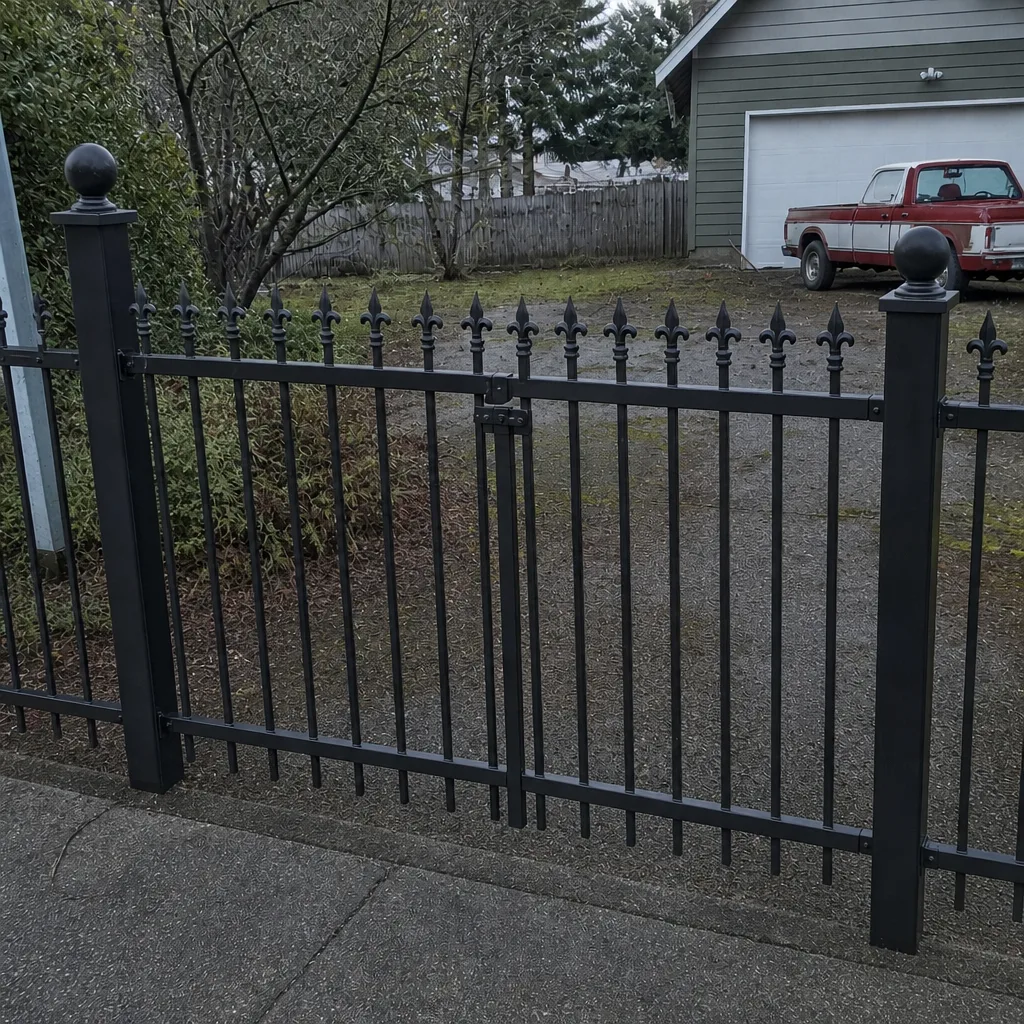
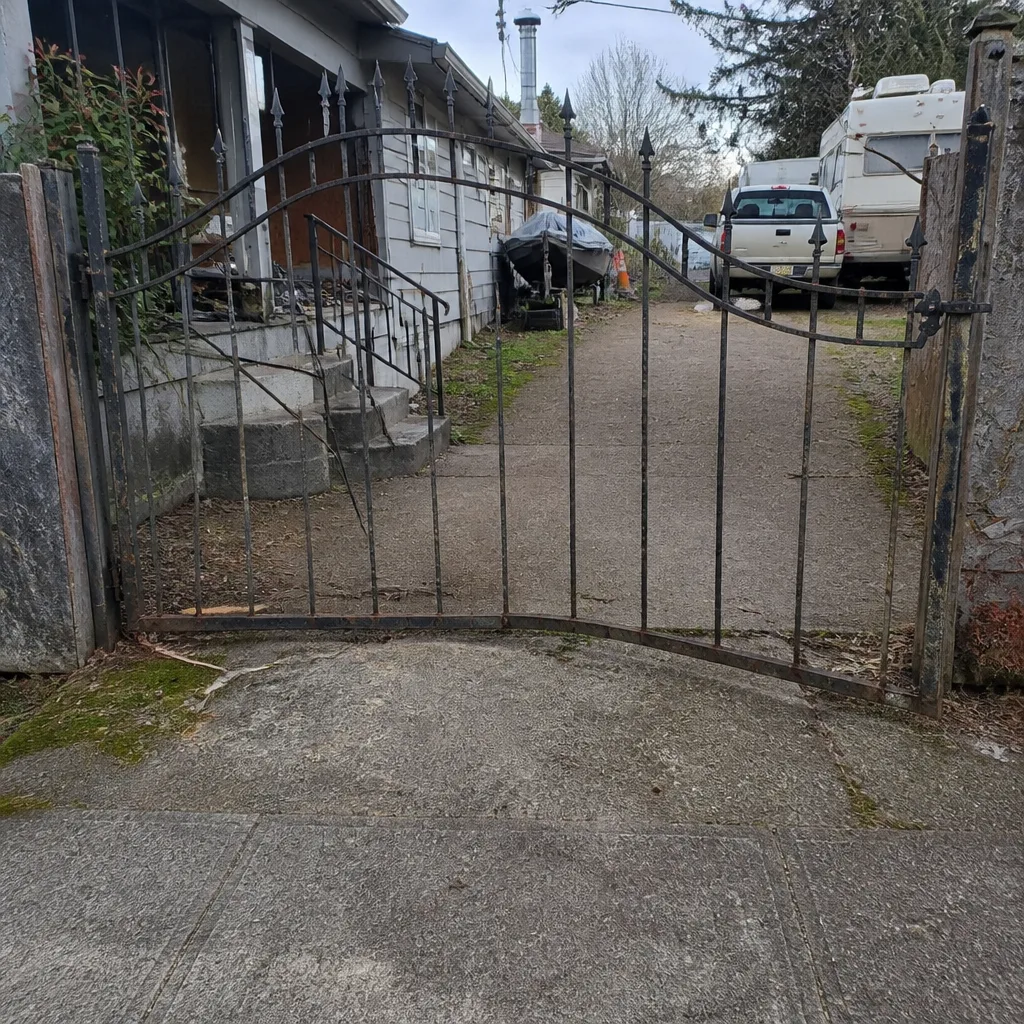
See the difference
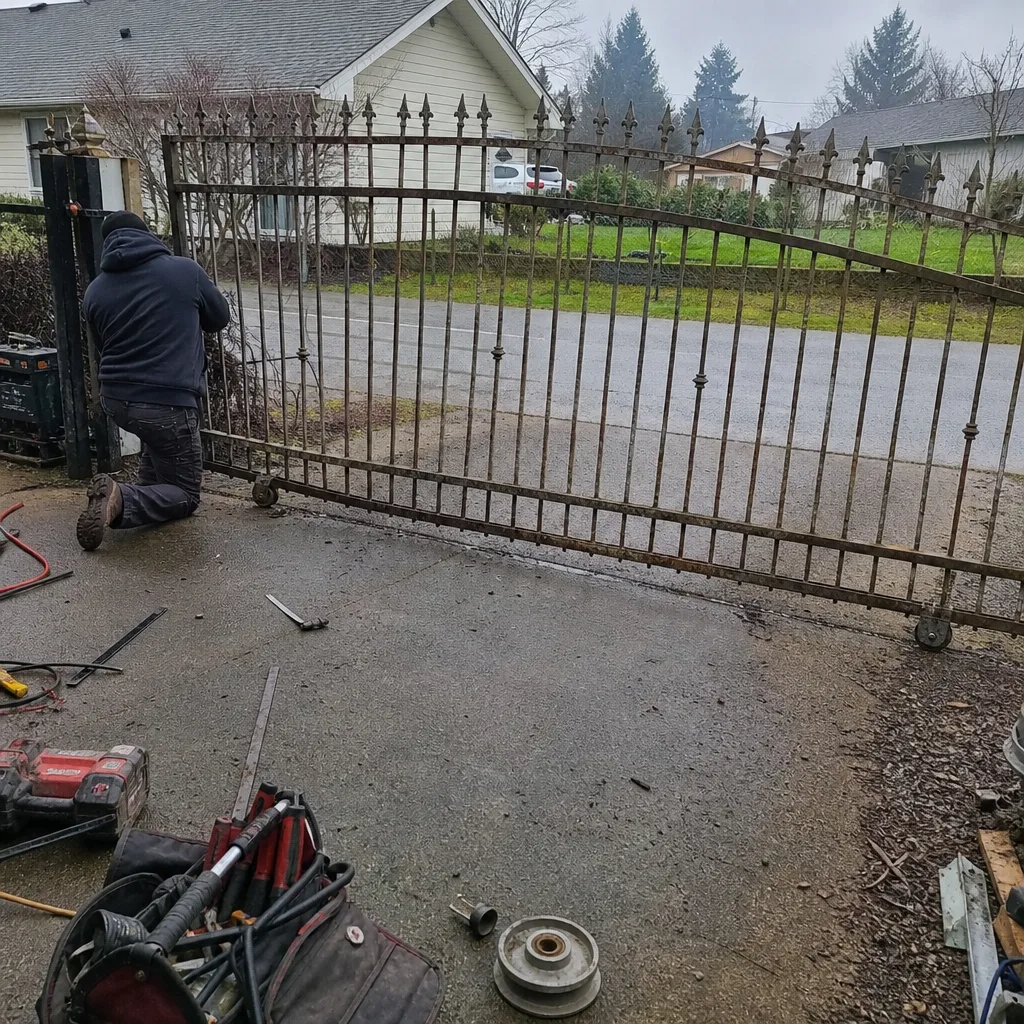 Before
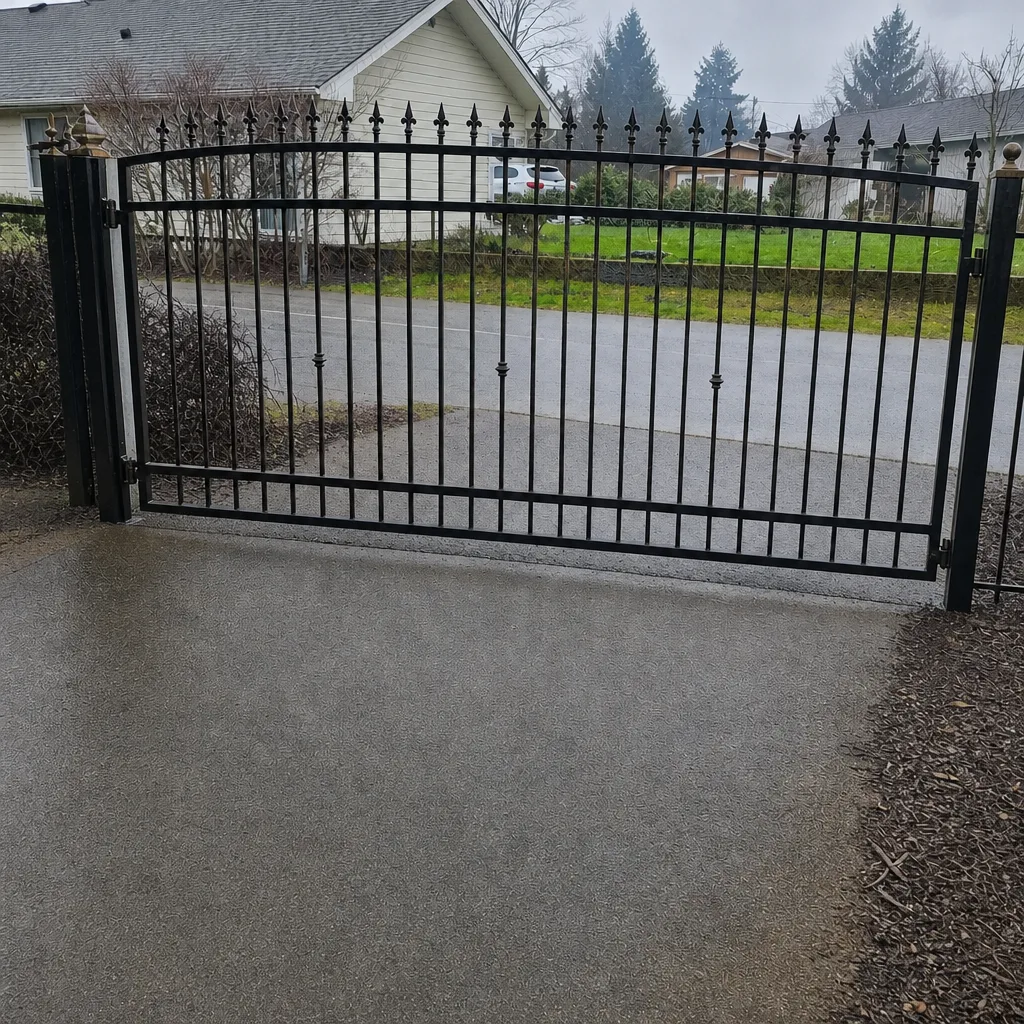 After
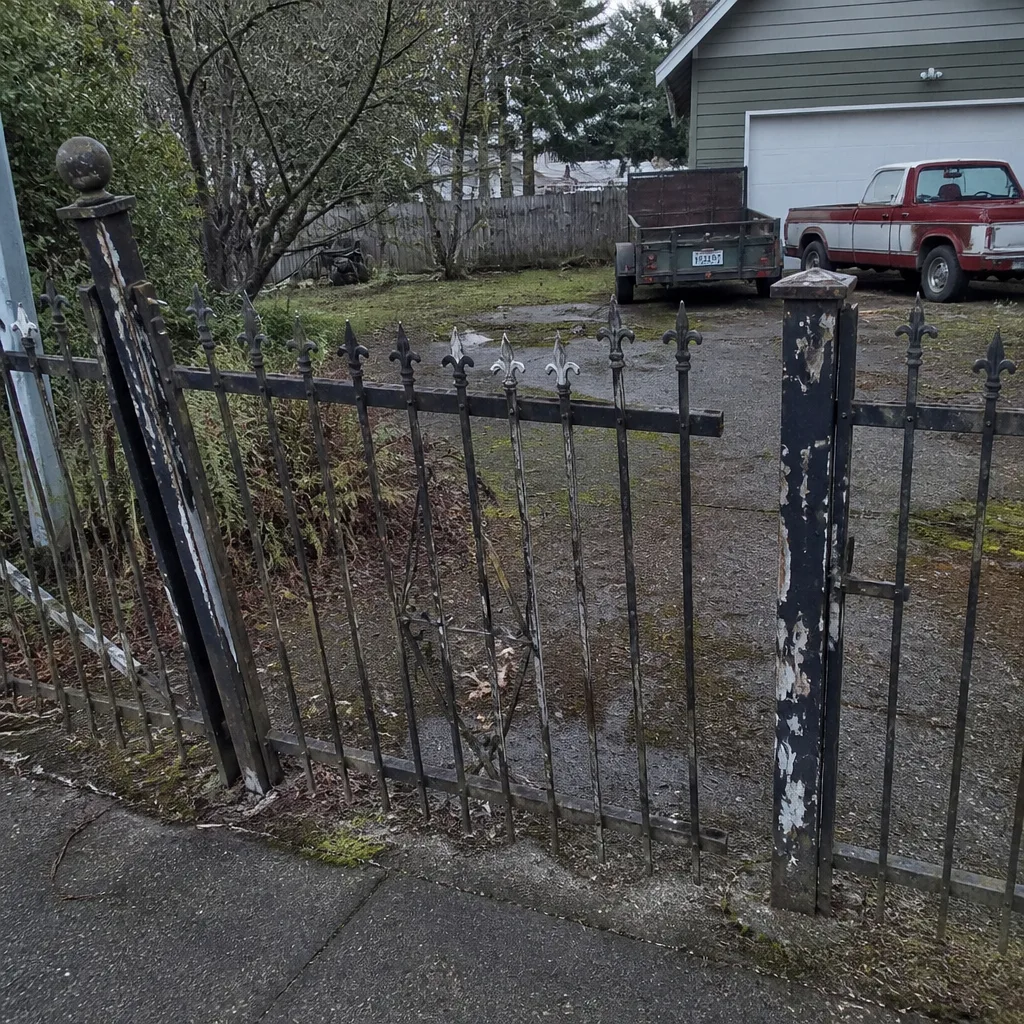 Before
 After
 Before
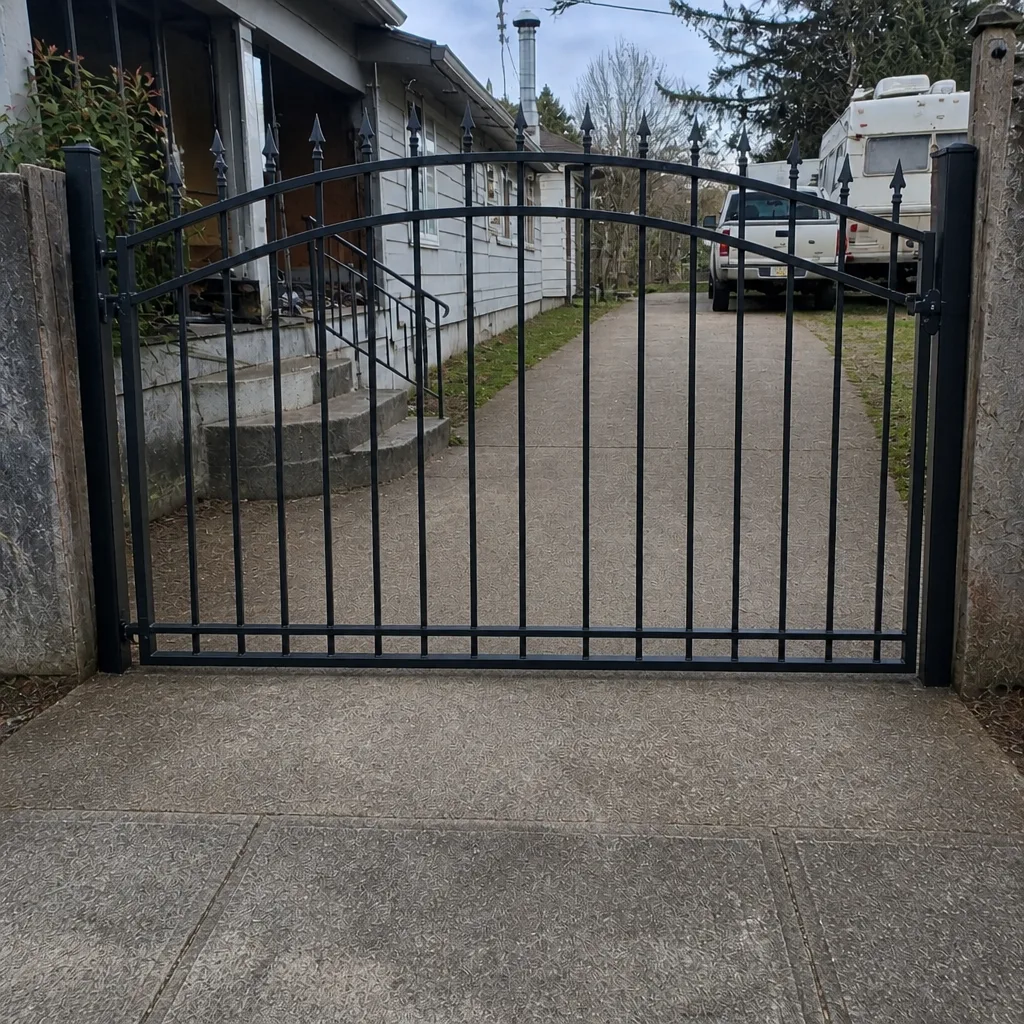 After
When to Call a Professional
Call a professional when the gate stops responding to the remote or keypad, when it opens or closes partway and stops, when it reverses without warning, when the operator makes grinding or clicking sounds, when the access system stops recognizing a code, or when a heavy swing or slide gate won’t align cleanly after seasonal movement. Automated gates involve electricity, pinch points, and heavy panels; operator wiring and power should always be handled by a trained professional rather than tackled as a weekend project. If you manage an HOA or community gate and the entry system is failing intermittently, that’s also the point to bring in a gate specialist rather than a general repair company – the diagnosis matters more than the visit cost. Gate Repair St. Johns offers free estimates in St. Johns – call (833) 513-9268 to schedule a site visit and a written quote.
Frequently Asked Questions
Gate repair in St. Johns is quoted per job after an on-site inspection, because the price depends on what actually failed: a hinge adjustment is a different job than a control board replacement or a loop detector repair. We don’t publish a flat number because it would be wrong for most jobs, and any flat number issued over the phone before an inspection is a guess. The written estimate you receive after the site visit sets the final price, and we agree to it before any work starts. Call (833) 513-9268 for an exact quote – estimates are free.
Sometimes, but not reliably. Fence companies usually handle the mechanical side – hinges, tracks, and alignment – but automated failures often trace back to the operator, control board, sensors, or access control system, which are separate trades. Ask specifically which gate automation brands the contractor was trained on and whether they work on access control. If the answer is vague, call a gate specialist. Our technicians have up to 11 years of experience on gate systems and work the brand you already have.
No. Oregon CCB registration confirms a business is registered and bonded for construction work in the state. It doesn’t confirm any specific training on gate automation brands, control boards, or access control systems. Use CCB registration as a minimum filter and verify brand training separately. Ask which gate brands the contractor has been trained on and which they don’t work on – a specialist will answer clearly.
A firm price on a gate repair that hasn’t been inspected is a guess, not a quote. Gate failures have many possible causes – misaligned hinge, failed limit switch, bad control board, misreading loop detector, wiring issue – and each one has a different price. A contractor who quotes a flat rate before looking either pads the price to cover the unknown or plans to add charges once the work is underway. Insist on a written estimate after an on-site inspection, and confirm the price in writing before work starts.
Yes, and specifically one trained on the brand. LiftMaster residential operators and DoorKing access control systems have different control logic and different troubleshooting sequences, and a technician trained on one may not be trained on the other. Ask the contractor which brands they’ve been trained on and confirm they can handle access control integration if your system includes a keypad, intercom, or entry system. A specialist answers without hesitation. A generalist changes the subject.
Ask five things: which gate automation brands the contractor was trained on, whether they handle access control as well as the mechanical gate, whether they’ve worked on commercial or HOA community systems, whether the estimate will be written and issued after an inspection, and how they handle a second issue if one turns up on site. A qualified contractor asks you technical questions back before booking – the model of the operator, the age of the control board, and what the gate does when it fails. Call (833) 513-9268 for an exact quote – estimates are free.
The Bottom Line
Hiring a gate repair contractor in St. Johns comes down to separating real gate competency from a service listing. Verify brand-specific training on your equipment, confirm experience with automated and access control systems, ask the five phone questions before booking, and insist on a written estimate issued after an on-site inspection. Compare quotes only after the diagnoses match, check the warranty terms, and make sure any service agreement has a written scope rather than a vague annual check. The contractor who can answer those questions technically is the one worth calling, and St. Johns has gate systems that need the right technician rather than a generalist with a sign.
When you’re ready to put these questions to a specialist, gate installation and repair work across the major automation brands happens under one roof, with access control handled alongside the mechanical gate. Call (833) 513-9268 for a free estimate in St. Johns and a written quote on the fix.
Written by the team at Gate Repair St. Johns.