Last updated November 25, 2026
 Wrought iron
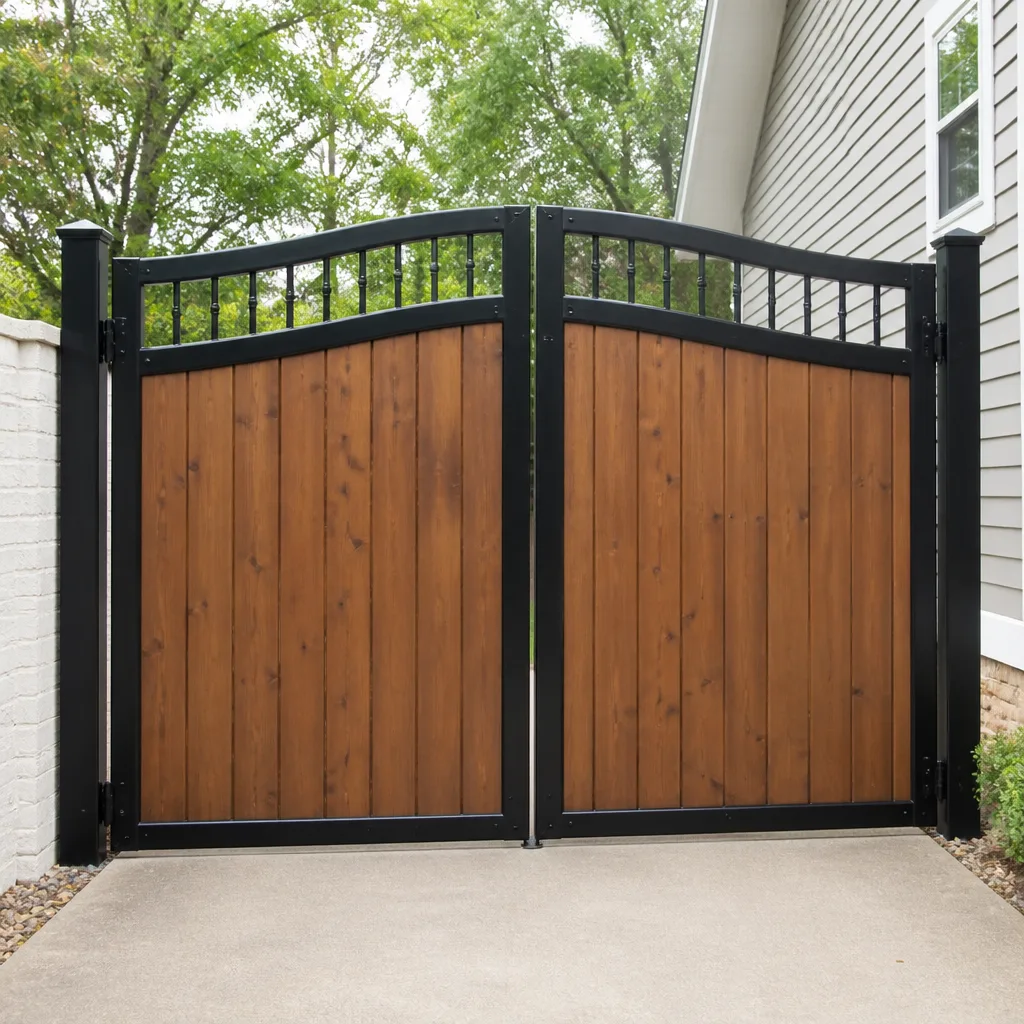 Wood & steel frame
 Farm & ranch
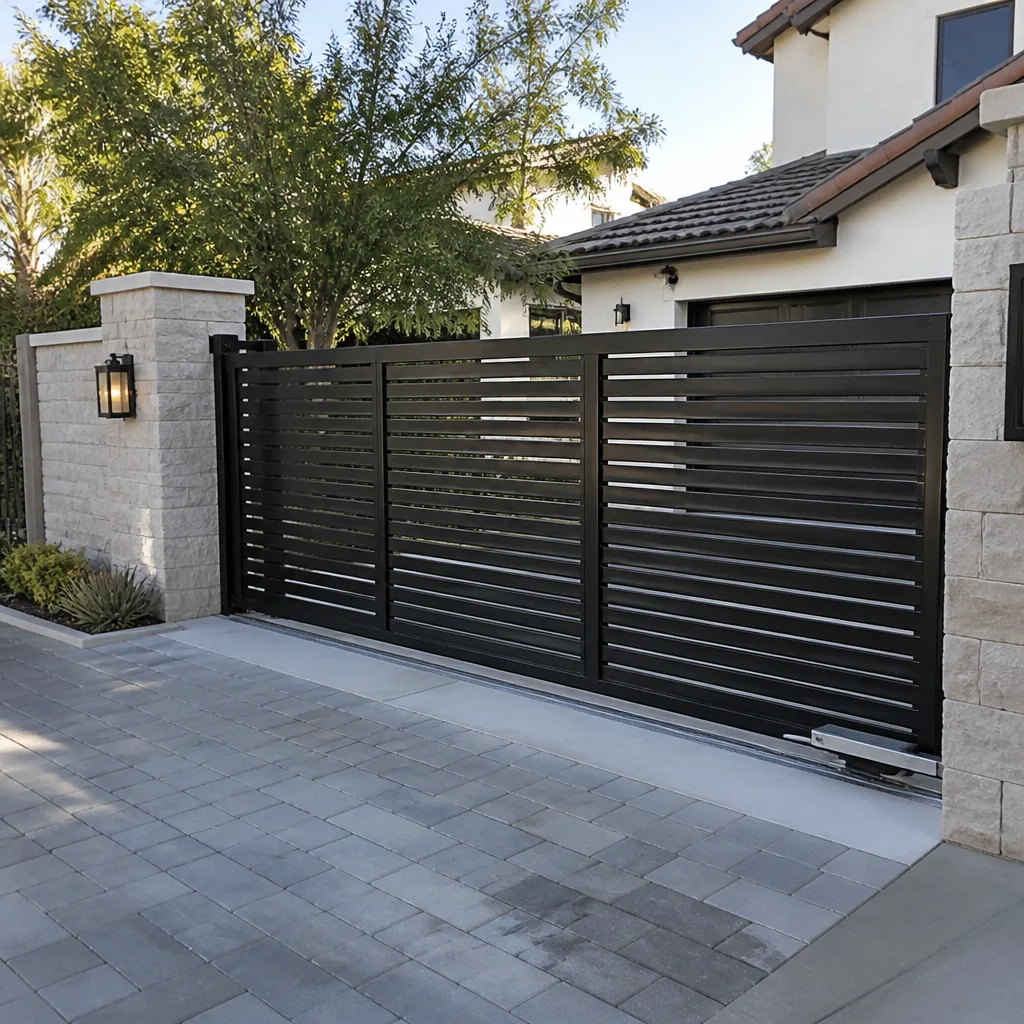 Sliding driveway gates
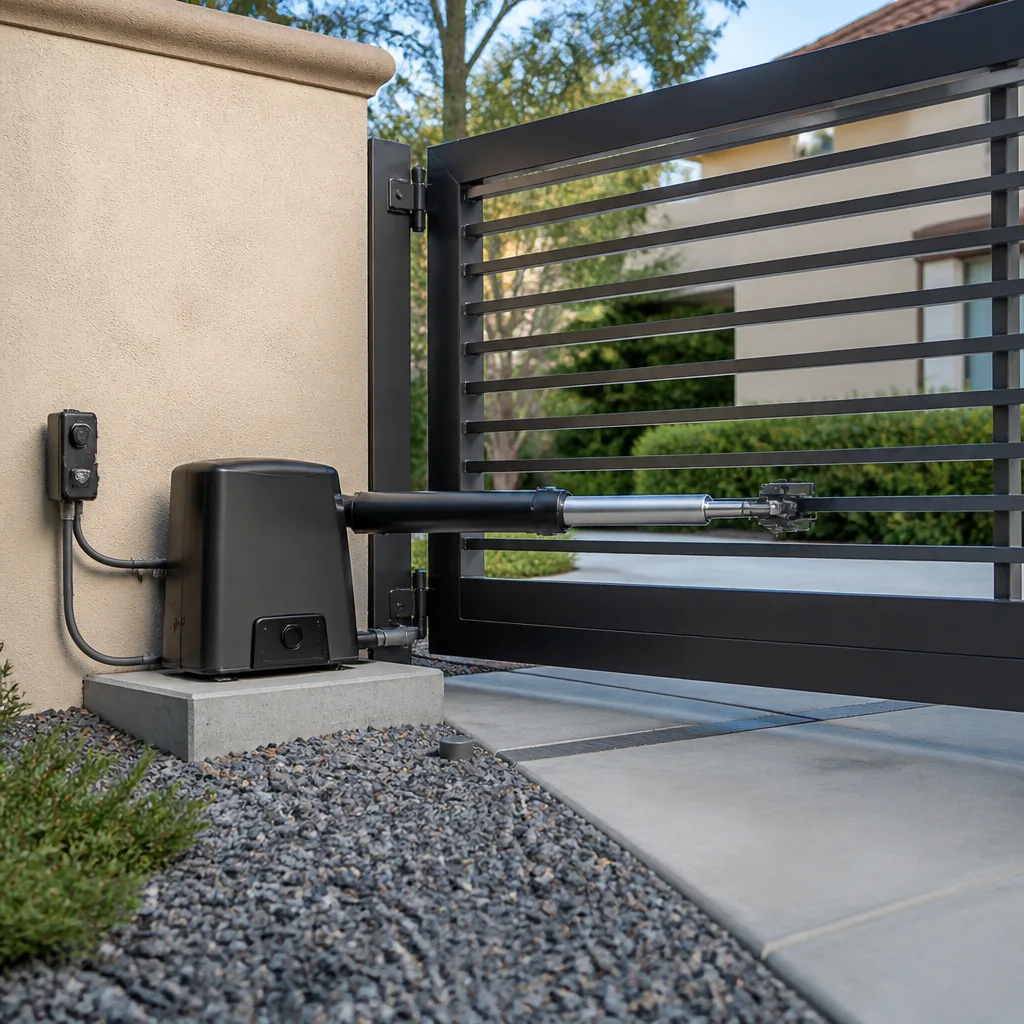 LiftMaster operators
Free on-site gate assessment - hinges, posts, and your LiftMaster or Nice gate operator checked before anything is quoted
The assessment is free and the quote is the invoice.
Get your free estimateSeasonal Gate Repair Care for St. Johns: Year-Round Homeowner’s Guide
Generic seasonal guides tell you to “winterize your gate” and leave it there. That advice doesn’t fit St. Johns. Here, the pattern that actually wears gates out is subtler: wet winters where temperatures swing back and forth across freezing, followed by dry summers that bake finishes and motor housings in steady UV. The rain arrives in volume – roughly 44 inches across the year – and the cold concentrates in December through February, so the real enemy isn’t raw temperature. It’s standing water that seeps into expansion joints and hinge bores, then freezes and pushes everything apart from the inside. This guide maps the year month by month, so you can get ahead of failures instead of reacting to them.
Quick Answer
In St. Johns, gate care follows a predictable annual calendar: seal and clear drainage in October and November before the rains, check welds and castings after each hard freeze in February, assess and repair winter damage in spring before you reseal, watch finishes and motor heat in summer, and run a full service reset in September. Getting the September reset done early makes every other task on the list faster and cheaper, because you’re correcting small problems before the wet season multiplies them.
Styles & brands we work with
- Wrought iron
- Wood & steel frame
- Farm & ranch
- Sliding driveway gates
- LiftMaster operators
Table of Contents
- Why St. Johns Weather Wears Gates Differently
- October and November: Pre-Rain Prep Before the Wet Season
- December Through February: Freeze-Thaw Checks
- March Through May: Spring Assessment Before You Cover Anything Up
- June Through August: UV, Heat, and Motor Stress
- September: The One Task That Resets Your Whole Year
- Automated Gate Care: Motors, Sensors, and Access Control
- Common Mistakes to Avoid
- When to Call a Professional
- Frequently Asked Questions
Why St. Johns Weather Wears Gates Differently
St. Johns sits in the far north of Portland, and its low-lying position near the Columbia Slough gives it a microclimate that’s noticeably wetter and slower to dry than most neighborhoods to the south. Ground here holds moisture longer. Morning fog lingers. Areas that drain poorly stay saturated for days after a rain event, and that saturation is what does the damage.
Two forces drive most gate wear in St. Johns, and they arrive in sequence rather than at the same time:
- Water intrusion from October through April. Rain works into expansion joints, hinge bores, weld seams, and the bases of posts. Metal that stays wet oxidizes faster, and wood swells at the joints.
- Freeze-thaw cycling concentrated in December through February. When the temperature drops below freezing overnight, any water sitting in a joint expands. When it thaws, it contracts. Repeated cycles widen micro-cracks and loosen castings.
Then summer flips the script. Dry months mean no rain to wash away grit, and steady UV degrades paint, powder coat, and the plastic housings on motor and control units. A gate in St. Johns faces a wet-dry cycle with a freeze in the middle, which is a different stress profile than a place with either constant rain or constant dryness.
That’s why a calendar built for this weather beats generic advice. It’s also why a gate-exclusive specialist matters here: the failures we see in St. Johns are specific to this pattern, and they show up in the same order every year.
October and November: Pre-Rain Prep Before the Wet Season
The weeks before the heavy rains arrive are the highest-value window of the year. Everything you do now protects the gate through the wet months, and it’s easier to work in dry conditions than to chase problems in a downpour. Sealing and drainage clearing are the two priorities.
Here’s the pre-rain checklist we recommend:
- Seal exposed wood. Reapply a weather-resistant finish to any wood panels, posts, or framing. Pay attention to end grain and the bottom edges of panels, which soak up water fastest.
- Touch up metal finishes. Any chipped paint or powder coat on a steel or aluminum gate is a starting point for rust. Clean the spot, treat it, and reseal it before the rain finds it.
- Clear the drainage path. Check the ground along the gate’s travel path and at the base of each post. Water pooling near a post base is the single most common cause of premature post failure in St. Johns.
- Clear the track on sliding gates. Debris in a slide track holds water and grit. Flush it out, then run the gate by hand to confirm it rolls cleanly.
- Check hinges and hardware. Tighten loose fasteners and lubricate hinge points with a product suited to wet conditions. Loose hardware lets water sit inside the joint.
- Inspect the operator housing and control enclosure. Confirm covers are seated, gaskets are intact, and no cables have been chewed or exposed.
The Columbia Slough microclimate makes this step more important here than in most Portland neighborhoods. Higher moisture exposure means a gate that isn’t sealed by November will be wet all winter, and wet metal plus freeze-thaw is the combination that shortens component life fastest. If you’re not comfortable checking the operator side, our gate repair technicians can run the full pre-rain inspection.
December Through February: Freeze-Thaw Checks
After each hard freeze in St. Johns, your gate has been through an expansion-contraction cycle, and that cycle stresses the exact places that fail quietly. The goal here is inspection, not disassembly. Walk the gate and look for changes that tell you water got in.
Run through this after each freeze:
- Welds and seams. Look for hairline cracks or rust weeping along a weld bead. A crack that looks minor in January can open by spring.
- Castings and brackets. Inspect hinges, latch hardware, and any bolted casting for loosening or hairline splits. Freeze-thaw propagates micro-cracks through cast metal.
- Post bases. Check for movement at the ground line. If the ground heaved, the post may have shifted.
- Swing alignment. Open and close the gate by hand and note whether it sags or drags differently than it did before the freeze.
- Operator function. Run the gate through a full cycle and watch for hesitation, odd noises, or a limit switch that no longer lands cleanly.
Identifying micro-crack propagation early is the whole point of the February routine. A crack that’s caught now is a weld repair; a crack that’s ignored through spring and summer can become a structural failure on a heavy swing panel. That’s the kind of problem worth catching before it becomes a safety issue.
One thing we see often: a homeowner notices a crack, fills it, and moves on. Filler hides the crack but doesn’t stop the metal from moving. If a weld or casting is showing a real split, it needs a proper repair, not a cosmetic patch. If you’re unsure whether what you’re looking at is cosmetic or structural, have it looked at before the spring thaw.
March Through May: Spring Assessment Before You Cover Anything Up
Spring is the season for finding out what winter actually did, and it needs to happen before you reseal or repaint anything. Paint and sealant are covers, and a cover applied over damage hides a problem that will grow through the summer. We’ve seen gates where a fresh coat of paint masked a hinge that had pulled away from the frame.
Assess in this order:
- Structural check first. Inspect welds, posts, and panel connections for distortion, cracking, or movement. Check that the gate swings true and latches cleanly.
- Hardware check second. Test every hinge, latch, and bolt. Replace fasteners that have corroded or loosened.
- Mechanical operation third. Run a sliding gate along its full travel and check the track for wear. Confirm a swing gate opens and closes without binding.
- Operator and controls fourth. Test the motor, the sensors, and any keypad or intercom component. Confirm the safety edges and loop detectors respond.
- Cosmetic work last. Only after you’ve confirmed nothing under the surface needs repair should you reseal or repaint.
This order matters because each stage informs the next. If the structural check reveals a problem, the cosmetic work needs to wait. If the mechanics are sound, you can finish the surface and get ahead of the summer UV exposure.
Spring is also when a lot of homeowners finally notice the gate that’s been “working fine” all winter. The honest question to ask is whether it’s working correctly or just working. A gate that drags slightly, hesitates at the halfway point, or has a motor that sounds louder than it used to is telling you something. Spring is the low-stress season to address it.
June Through August: UV and Heat, and Motor Stress
Summer in St. Johns is dry, and that changes what to watch for. With no rain to rinse surfaces, grit accumulates on tracks and hinges, and steady UV breaks down finishes and plastic housings. Heat adds a second pressure point: motors and control boards run hotter, and a component that’s already marginal can fail in summer under thermal load.
Which materials and finishes take the most UV punishment:
- Painted wood and stained panels. UV breaks down the finish and turns it chalky, and dry wood cracks at the panel edges.
- Powder coat on aluminum and steel. Fades and eventually chalks, and the fade is usually uneven across sun-facing and shaded panels.
- Plastic operator housings and control enclosures. UV makes plastic brittle over time. A housing that’s gone brittle is easier to crack and less able to keep water out when the rains return.
- Sensor lenses and keypad faces. Clouded or yellowed plastic can cause intermittent sensor trips and unreliable keypad reads.
A heat-related motor failure in a Linear or FAAC operator usually announces itself before it quits. Watch for:
- A motor that runs noticeably hotter to the touch than in cooler months.
- Slower operation on hot afternoons, or a stall partway through a cycle.
- Control board faults that clear after the unit cools down.
- Repeated tripping of the thermal overload.
When those symptoms show up in summer, they’re a warning, not a coincidence. Catching them in June or July means a straightforward repair, and it means the operator is healthy when the rains return in October and the cycle starts over. If you’re seeing hesitation or heat-related faults on a motor or opener, a gate motor & opener service call in the dry season is the cheaper time to deal with it.
September: The One Task That Resets Your Whole Year
The single most valuable task on this calendar is a full service reset, and September is when it should happen. Doing it in September rather than January makes every other task easier, and the reason is simple: September sits at the end of the dry season and the start of the wet one. You’re assessing a gate that just came through summer, you’re correcting anything the summer exposed, and you’re finishing the work before the rains begin.
A September reset covers:
- Full inspection of structure and hardware. Everything a spring check covers, plus a look at anything that summer heat and UV brought to the surface.
- Lubrication and adjustment. Re-lubricate hinges and moving parts while conditions are dry, and adjust alignment so the gate opens and closes true.
- Operator service. Clean the operator housing, check the control board, test the safety edges and sensors, and confirm the access control components respond.
- Drainage and surface prep. Re-clear the drainage path and prep surfaces for the sealing you’ll do in October and November.
- Fastener check. Re-torque hardware now, so freeze-thaw in winter cycles is working against tight joints rather than loose ones.
Do it in September and the pre-rain work in October becomes light maintenance instead of urgent repair. Do it in January and you’re doing the reset in the middle of the wet season, when every problem is harder to diagnose and every repair has to happen in the rain. That’s the shift that makes the September reset worth building the rest of your calendar around.
If you want a full-service pass on the whole system, from the motor to the keypad, a Gate Repair St. Johns visit in September is a good anchor for the year. We work on the brand you already have – whether that’s BFT, Viking, or another system – and we’ll tell you what needs attention before winter.
Automated Gate Care: Motors, Sensors, and Access Control
An automated gate adds a layer of systems that a manual gate doesn’t have: the motor or opener, the control board, the safety sensors, loop detectors, and access control components like keypads and intercoms. A seasonal guide that stops at hinges and paint leaves the most failure-prone parts out. Automated systems need their own schedule layered onto the mechanical one.
What to check each season on the automated side:
- Operator housing and gasket. Confirm the cover is sealed before winter and again after the rains. A compromised gasket lets moisture into a control board.
- Travel and limit settings. Confirm the gate stops where it should at each end of travel. Drifting limits put stress on the operator.
- Safety sensors and loop detectors. Test them for consistent response. Inconsistent detection is the most common access control call we get in St. Johns, and it often shows up as a gate that won’t close or opens for no visible reason.
- Keypad and intercom components. Check that buttons and faces are clean, weatherproof, and responding reliably.
- Battery backup. If the operator has one, check its state so a cold-weather power drop doesn’t leave the gate stuck.
One call covers the mechanical and the automated side, which saves you from finding a separate contractor for the hardware and another for the access control. If you’re planning a full system replacement rather than repairs, our gate installation work covers everything from the panel to the entry system, and a free measure and written estimate comes before any work starts.
Common Mistakes to Avoid
- Waiting for a problem before you act. St. Johns weather runs on a schedule, and the repairs that come out of ignoring it are always more expensive than the season’s checklist.
- Painting or sealing over damage. Surface cover hides a problem for a season. Assess structure and hardware first, then finish cosmetic work.
- Ignoring drainage at the post base. Water pooling near a post is the most common cause of premature failure here. It’s also the easiest thing to fix.
- Treating freeze-thaw cracks as cosmetic. A hairline crack in a weld or casting can open through the winter. Filler doesn’t stop the metal from moving.
- Skipping the automated system in the seasonal checks. The motor, sensors, and access control need their own pass, and a heat-related motor issue in summer is the start of a failure, not a passing phase.
- Doing the reset in January instead of September. You end up repairing in the wet season rather than finishing in the dry one, and every job takes longer.
- Assuming a general handyman covers it. A gate failure on a motor, opener, or access control system is a specialist diagnosis. A generalist can snug a hinge; a control board fault needs someone who works on gates every day.
When to Call a Professional
Some seasonal tasks are homeowner-level: clearing a drainage path, wiping down a housing, or noting a change after a freeze. Others are worth a call. Bring in a professional when a weld or casting is showing a real crack, when the gate is out of alignment or binding, when a motor hesitates or trips its thermal overload, when sensors or loop detectors respond inconsistently, or when the access control system stops behaving the way it should. High-tension components and electrical parts on an automated gate are not a DIY repair, and a heavy swing or slide panel that’s come off its track is genuinely dangerous. A trained technician should be the one handling anything structural or electrical.
Gate Repair St. Johns offers free estimates in St. Johns – call (833) 513-9268 and we’ll come out, look at the gate, and give you a written price before any work starts.
Frequently Asked Questions
September, because a full service reset at the end of the dry season corrects what summer exposed and gets the gate ready before the rains arrive. Doing it in September makes the October pre-rain work light maintenance rather than urgent repair. Call (833) 513-9268 for a free estimate on a September reset.
Always after. Sealing or painting over a crack, a loosened hinge, or a weld that’s splitting hides the problem and lets it grow through the wet season. Assess structure and hardware first, do the repairs, then finish the surface.
A hairline crack that keeps opening after a freeze, or one with rust weeping along the seam, is a structural issue rather than cosmetic. Freeze-thaw in St. Johns makes small cracks grow. If you’re unsure, have it inspected before spring. Call (833) 513-9268 for an honest assessment.
No. A motor that runs hotter, operates slower, or trips its thermal overload on hot days is showing early signs of a heat-related failure, not normal summer behavior. Catching it in the dry season means a simpler repair than replacing the motor later. Call us for a free estimate.
Not with us. We handle the mechanical gate, the motor and opener, and the access control components – keypads, intercoms, sensors, and loop detectors – because they’re all part of one system. One call covers it all, so you’re not coordinating between a hardware contractor and a security company.
It’s wetter and slower to dry, so metal stays wet longer and moisture sits in joints through the winter. That makes pre-rain sealing and drainage clearing more important in St. Johns than in most Portland neighborhoods. If your gate sits on low ground, plan on a more careful October inspection.
The Bottom Line
St. Johns doesn’t need dramatic seasonal extremes to wear a gate down. It needs the pattern it already has: wet winters with freeze-thaw in December through February, dry summers with steady UV, and a Columbia Slough microclimate that keeps things damp longer than most of Portland. Build your year around that pattern and the gate lasts longer and fails less often. Seal and clear drainage in October and November. Check welds and castings after each freeze. Assess before you reseal in spring. Watch finishes and motor heat in summer. And run the full service reset in September, so everything else gets easier. If you’d rather hand the calendar to someone who works on gates every day, we’re here.
Gate Repair St. Johns is a gate-only specialist covering repair, installation, motors, openers, and access control. Our technicians have up to 11 years of experience, and we work on the brand you already have – LiftMaster, FAAC, BFT, Linear, Viking, Ghost Controls, DoorKing, Elite, and Mighty Mule. Call (833) 513-9268 for a free estimate, and we’ll give you a written price before any work starts.
Written by the team at Gate Repair St. Johns.
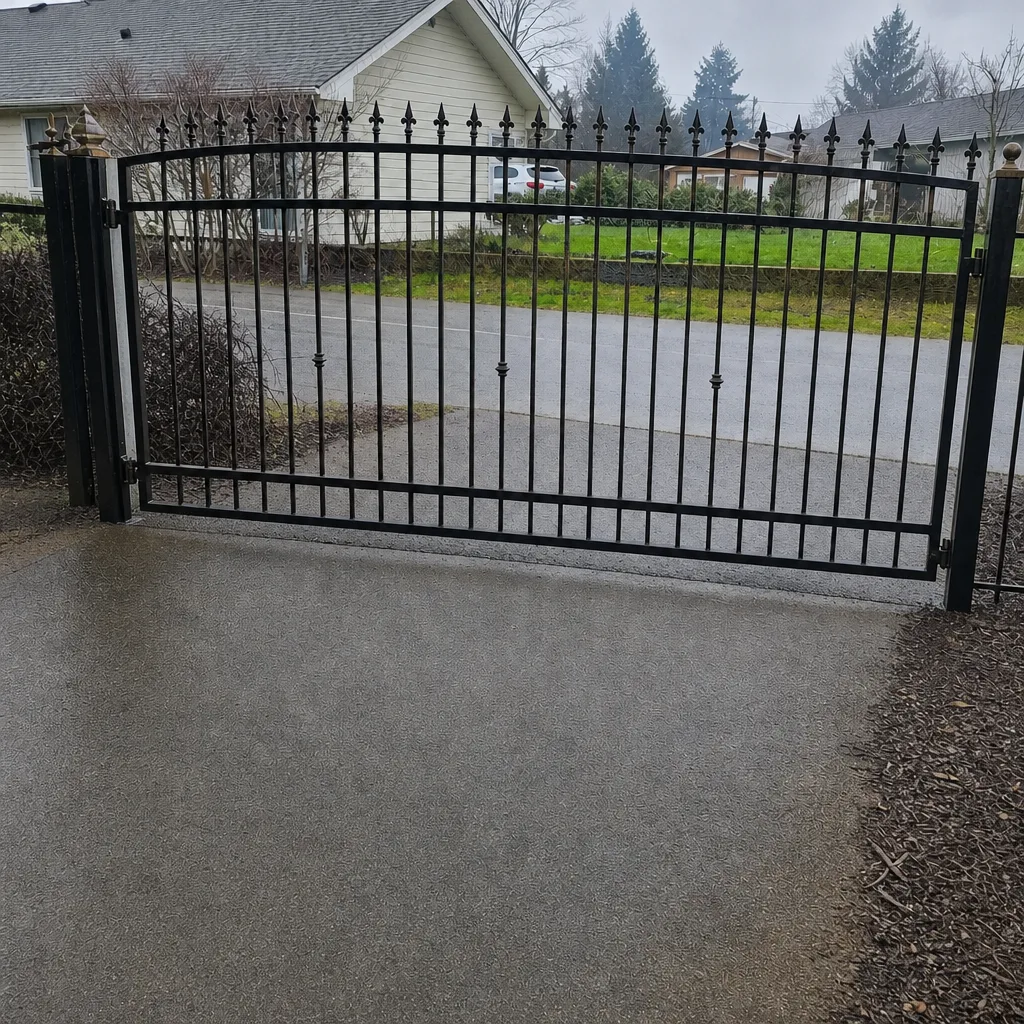
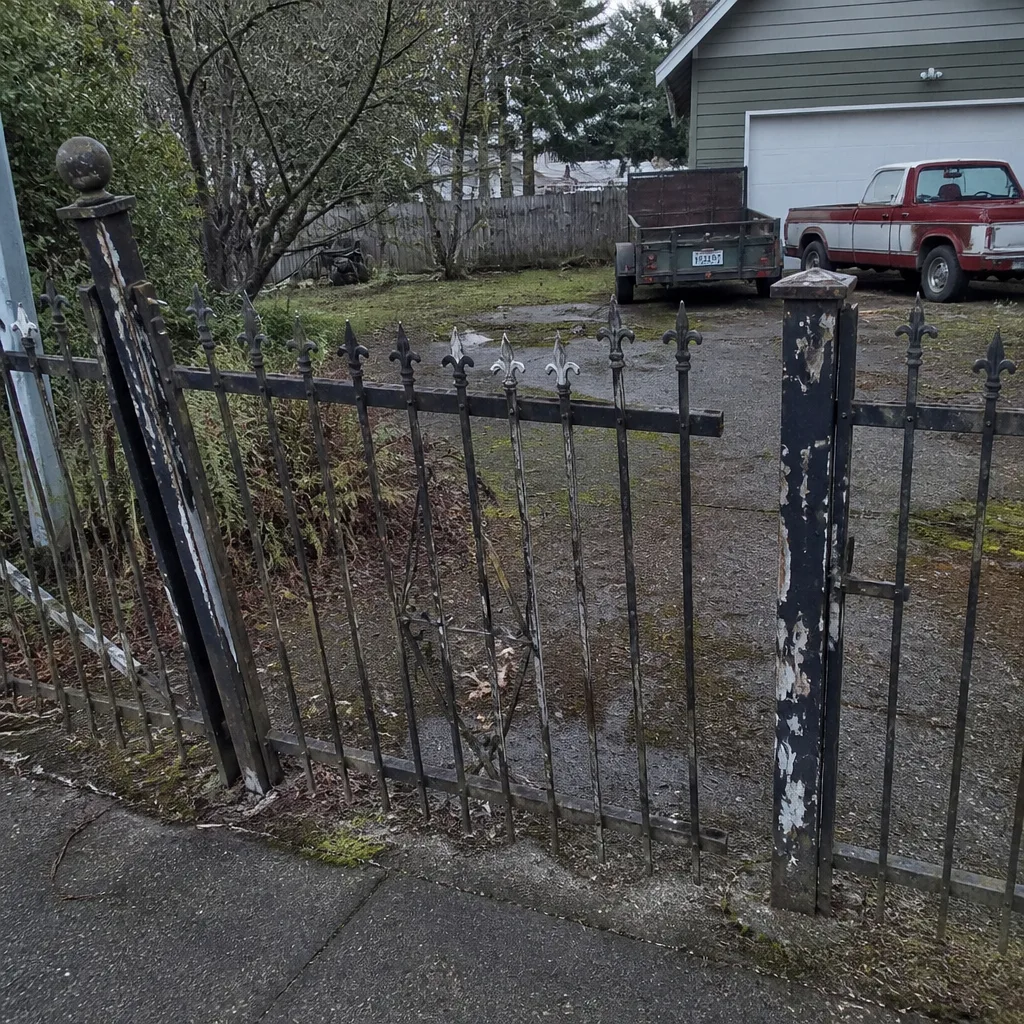
See the difference
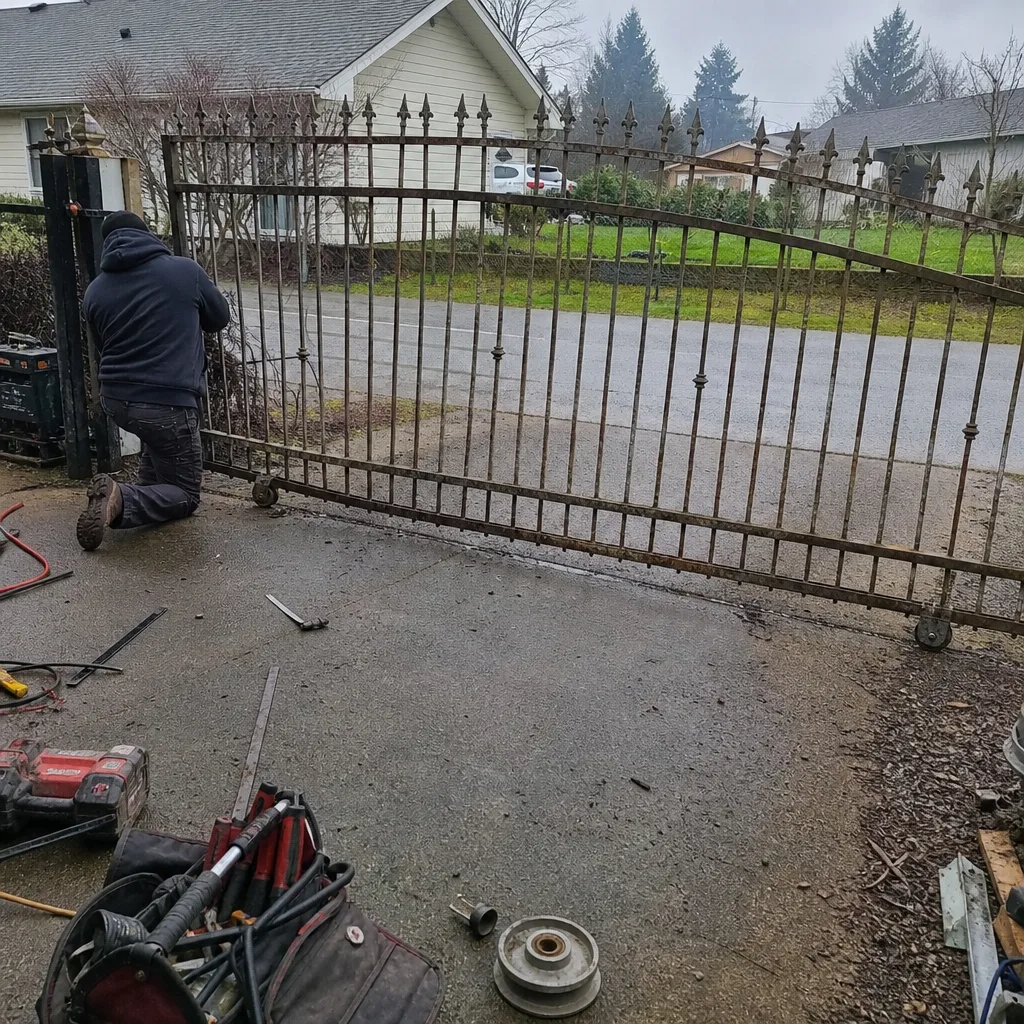 Before
 After
 Before
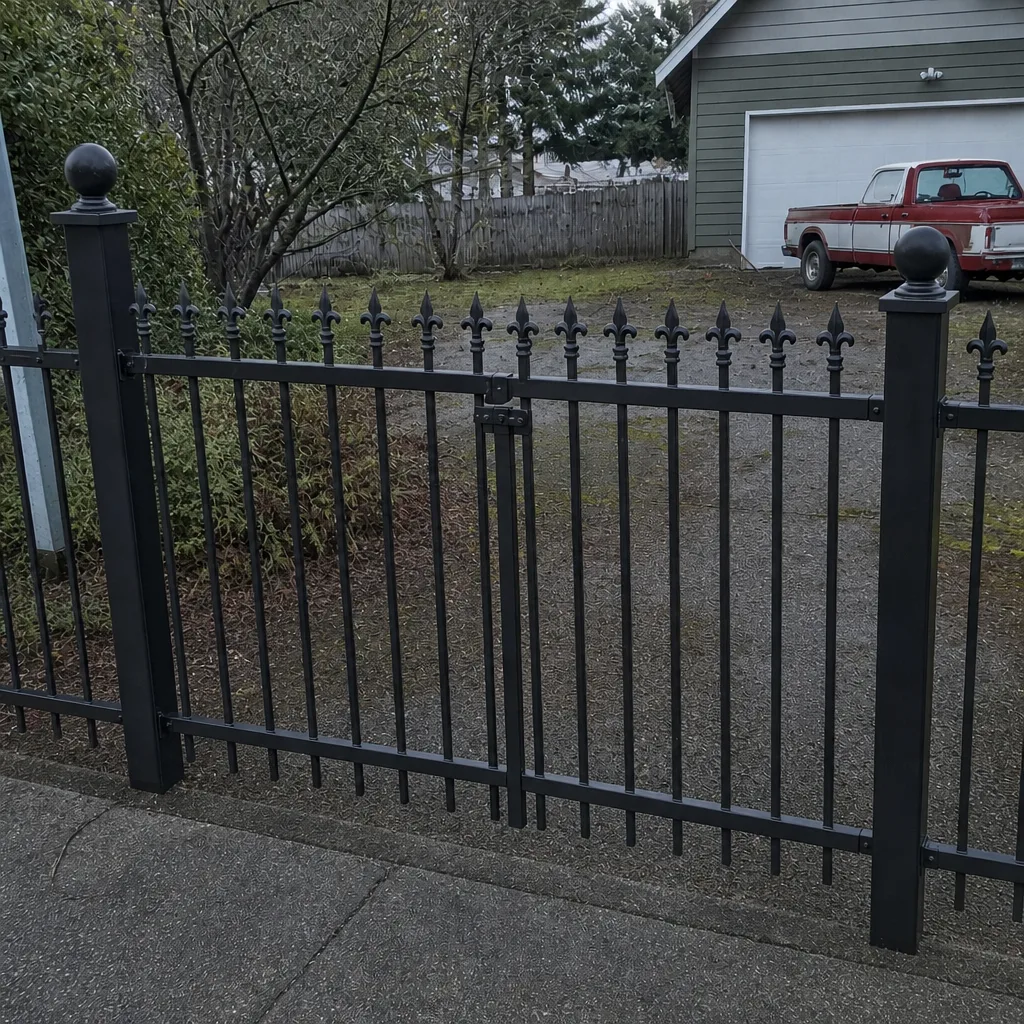 After
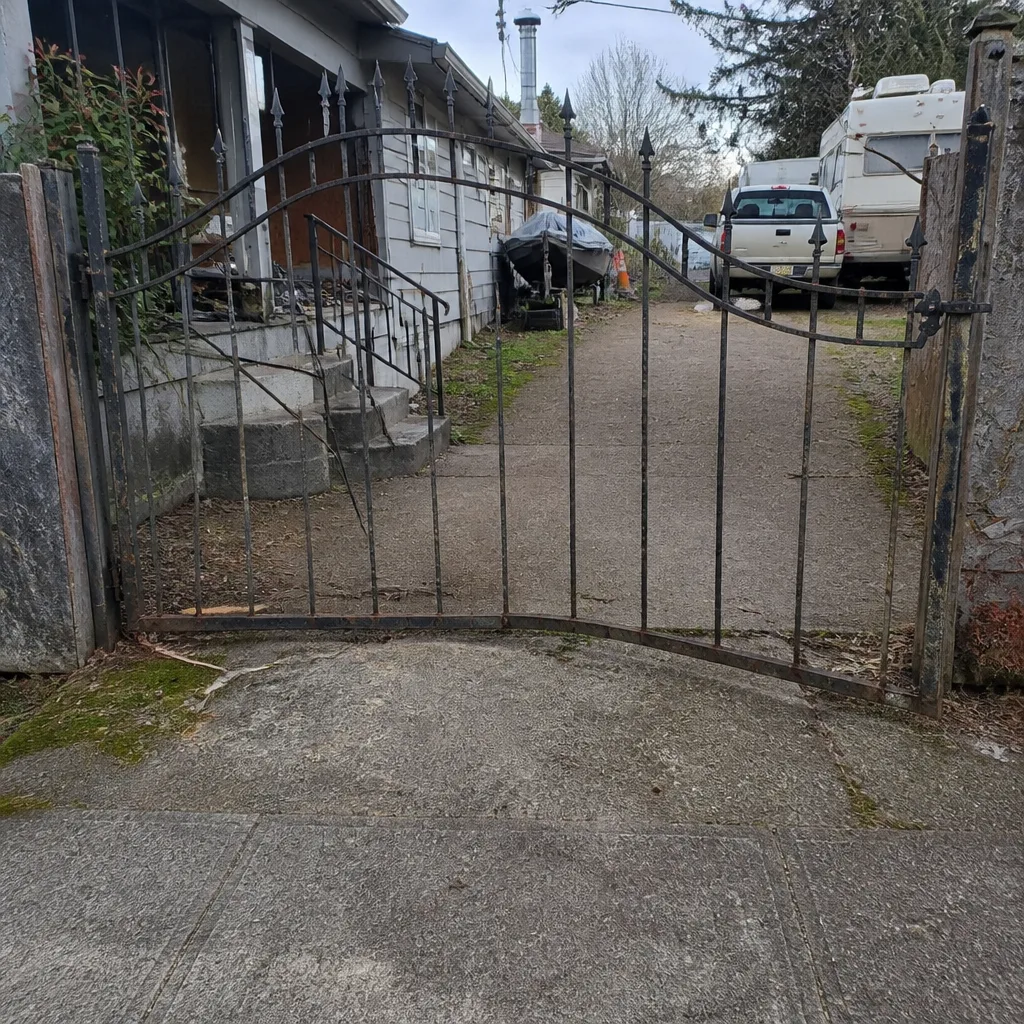 Before
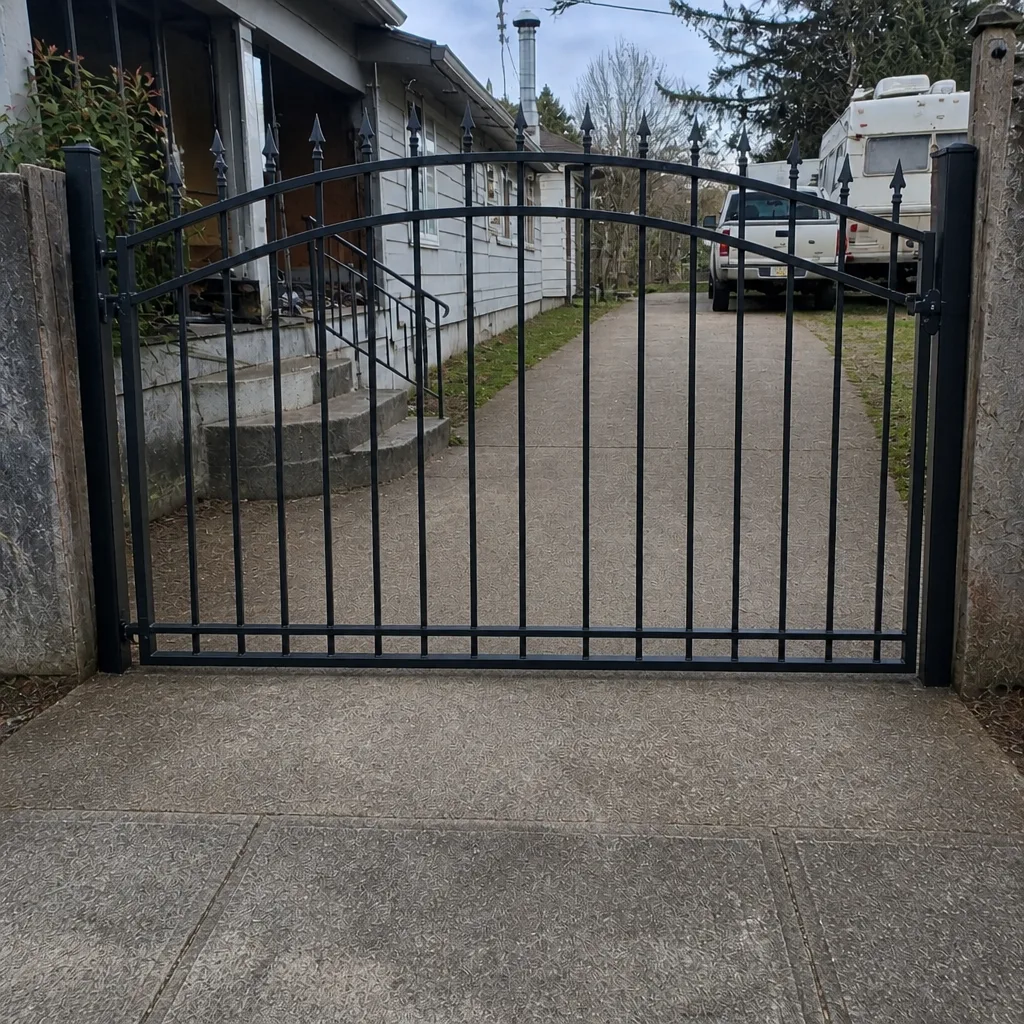 After