Last updated November 25, 2026
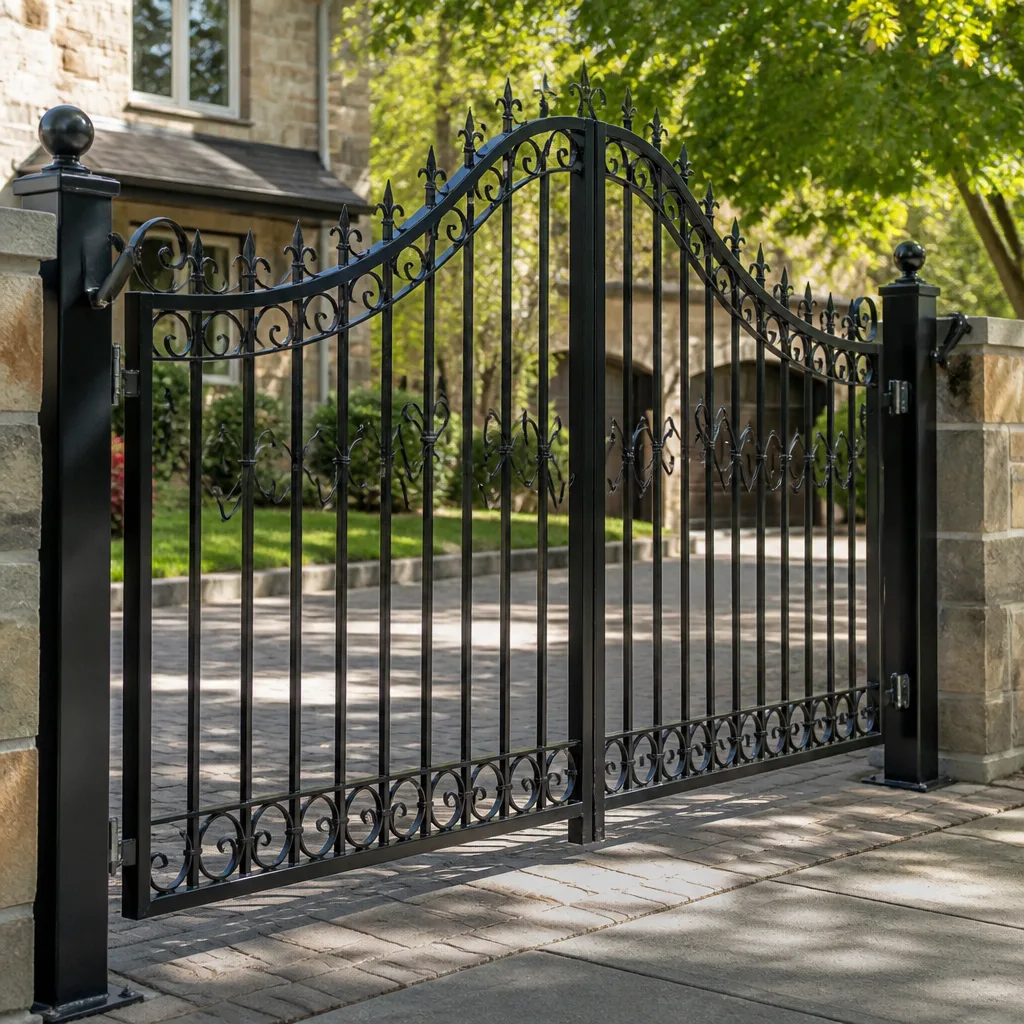 Wrought iron
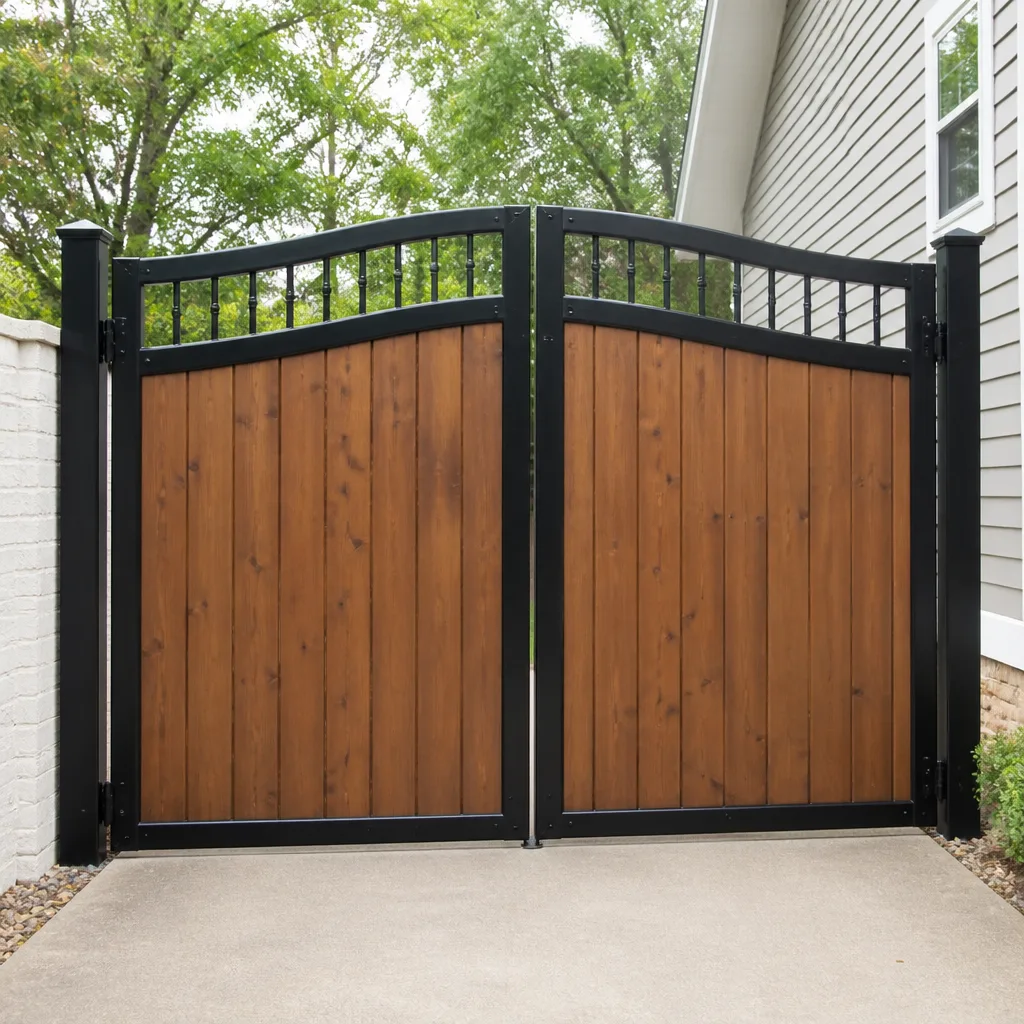 Wood & steel frame
 Farm & ranch
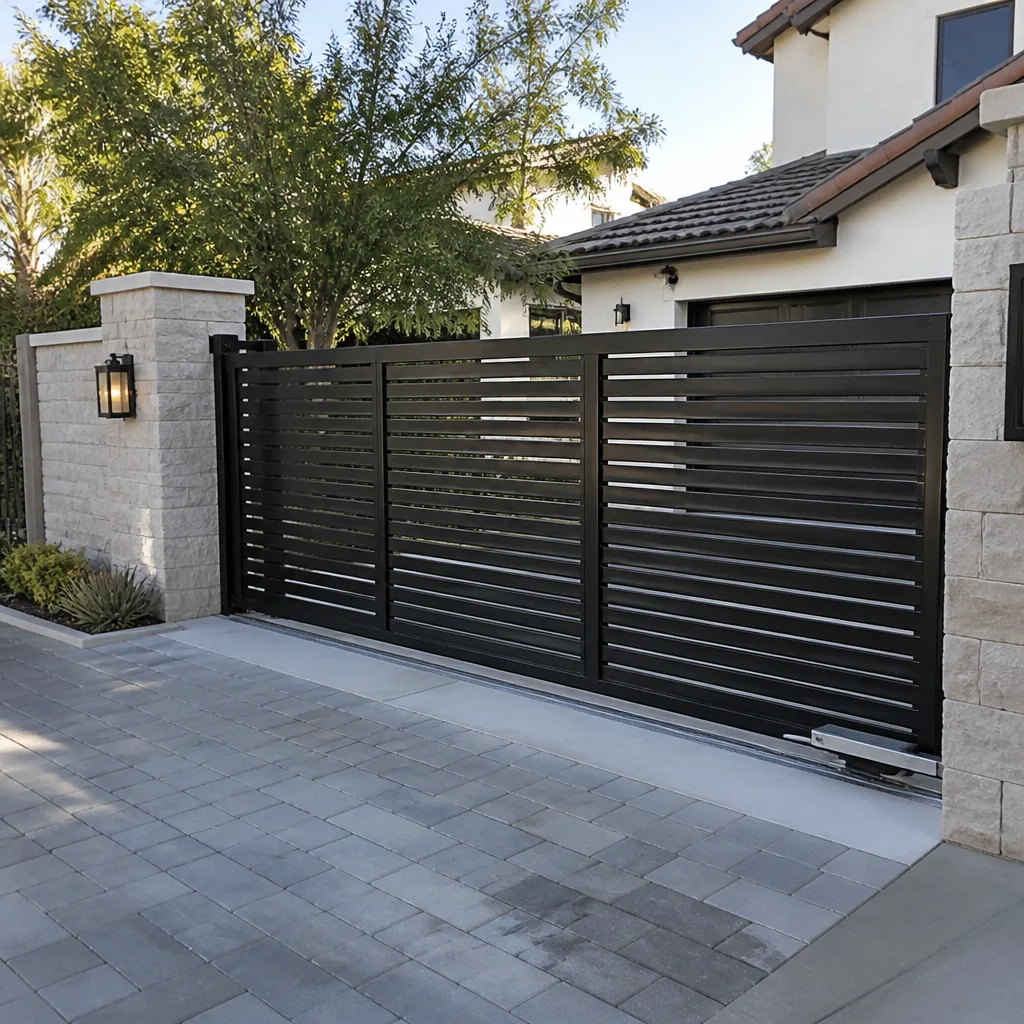 Sliding driveway gates
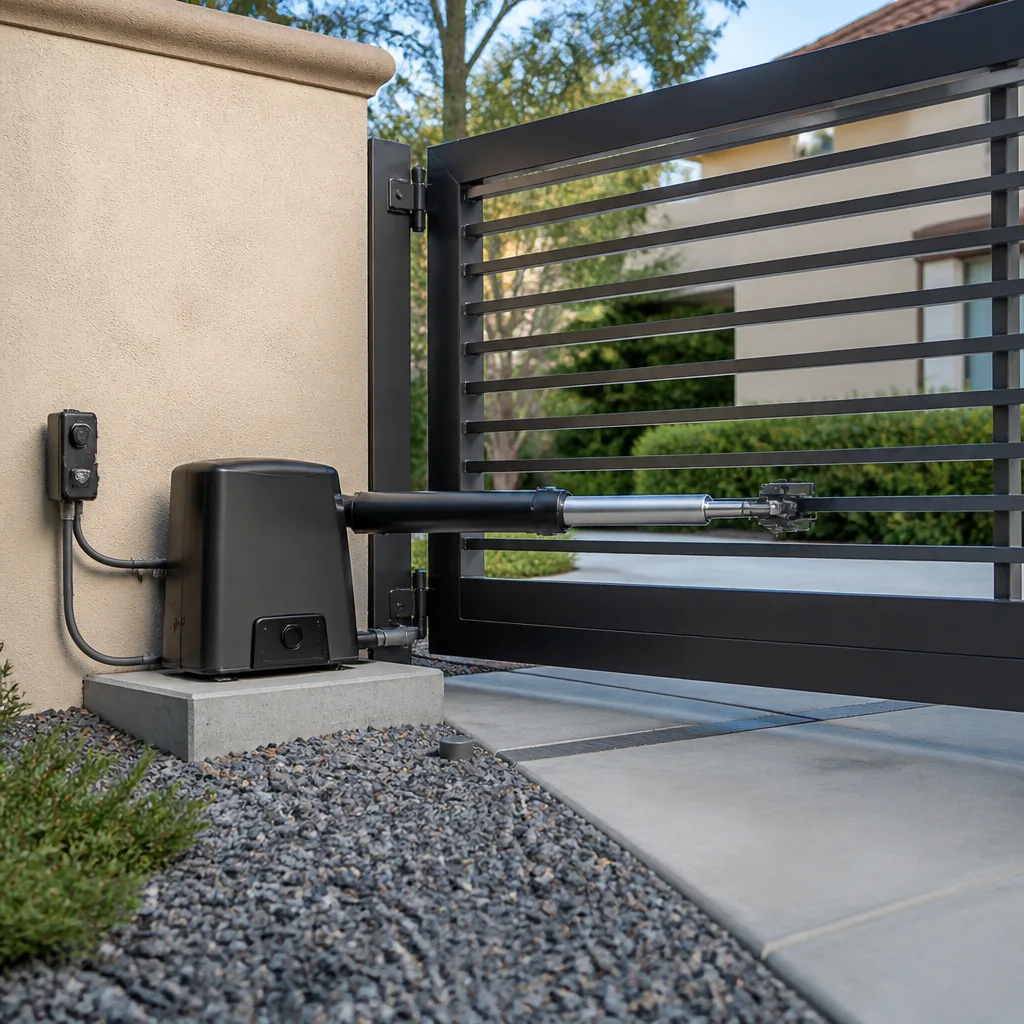 LiftMaster operators
Free on-site gate assessment - hinges, posts, and your LiftMaster or Nice gate operator checked before anything is quoted
The assessment is free and the quote is the invoice.
Get your free estimateThe Complete Guide to Gate Repair in St. Johns
A gate that reverses unexpectedly, drags on one side, and throws error codes on alternating days isn’t having three problems. It’s having one problem that hasn’t been identified yet. Most homeowners in St. Johns treat each symptom as a separate event, calling for a hinge adjustment one month and a control board reset the next, and the gate never really gets fixed. The real cause is usually sitting underground or hiding behind a sensor bracket, and no amount of motor tinkering will reach it. This guide maps the full diagnostic-to-fix path for gate repair in St. Johns, from the clay-heavy fill that tips posts out of plumb to the motor neglect that quietly kills openers. By the end, you’ll know which root cause you’re dealing with and what a proper repair looks like.
Quick Answer
Most gate failures in St. Johns come down to three root causes: foundation shift from clay-heavy soil, moisture intrusion into the operator and control board, and deferred motor maintenance. A proper diagnosis checks the foundation and alignment before touching the motor or control board, because a gate that’s out of level will keep damaging good hardware until the base is corrected. Repair costs and scope depend entirely on which root cause is behind the symptom, which is why accurate documentation before the first visit saves time and money.
Styles & brands we work with
- Wrought iron
- Wood & steel frame
- Farm & ranch
- Sliding driveway gates
- LiftMaster operators
Table of Contents
- The Three Root Causes of Gate Failure in St. Johns
- Why St. Johns Soil Causes Post Lean and Hinge Stress
- The Diagnostic Order of Operations
- Brand-Specific Failure Patterns We See Most
- A True Repair vs. a Repair Masking an Installation Defect
- How to Document a Gate Problem Before You Call
- Motor Neglect: The Quiet Killer of Automated Gates
- When to Call a Professional
The Three Root Causes of Gate Failure in St. Johns
Almost every gate problem we’re called out to in St. Johns traces back to one of three root causes. Foundation shift, moisture intrusion, and motor neglect. The symptom you notice first is rarely the root cause itself. A gate that stops closing at the same spot every day may look like a sensor issue, but it’s often a post that has settled a quarter inch and thrown the leaf out of alignment with the strike plate. A motor that overheats on warm afternoons can be a symptom of a gate that’s binding, not a failing motor.
Separating the root cause from the symptom is the whole job. Here’s what each of the three looks like in practice:
- Foundation shift: The gate post has moved out of plumb, or the concrete footing has cracked or tilted. You’ll see dragging at the latch, uneven gaps, or a leaf that swings open on its own.
- Moisture intrusion: Water has worked into the operator housing, the control board, or the wiring conduit. Symptoms include intermittent errors, a board that resets after rain, or corroded terminals inside the control box.
- Motor neglect: The opener hasn’t been serviced, the gearbox has lost lubrication, or the battery backup has never been checked. The gate runs slower, strains on the open cycle, or fails to complete travel.
Each root cause has a different repair path, a different cost range, and a different likelihood of recurring. Chasing the symptom without identifying the root cause is why some gates in St. Johns get repaired three or four times in a season and still don’t work reliably. When we start a diagnostic on a St. Johns gate, the first fifteen minutes are always spent on the base and the alignment; the electronics come second. If you want a sense of what the full range of work covers, our gate repair page lays out the services in more detail.
Why St. Johns Soil Causes Post Lean and Hinge Stress
St. Johns sits on some of the most stubborn soil in the Portland area. The neighborhood’s position near the Columbia Slough means a lot of the fill under residential lots is clay-heavy, and clay does two things that wreck gate posts. It swells when it’s wet and shrinks when it’s dry. Each wet season pushes against one side of the footing and pulls away from the other. Over time, a post that was perfectly plumb when it was set will lean a fraction of an inch, and that fraction is enough to throw the whole gate out of alignment.
What makes this specific to St. Johns is the combination of clay fill and the wet-dry cycle this part of Oregon runs through. A drier climate wouldn’t move the post as much because the soil moisture stays more constant. Here, a wet winter followed by a dry summer puts real stress on footing and hinge hardware simultaneously.
The downstream effects show up in places homeowners don’t expect:
- Hinges wear faster on the low side of a leaning gate, because the full weight of the leaf is riding on one hinge plate instead of being shared.
- Latches stop engaging cleanly, and the gate starts sticking at the strike side.
- Automatic openers strain to complete travel because they’re pushing a gate that’s fighting gravity and friction.
- Weld seams on the gate frame crack at the hinge corners where the stress concentrates.
If you’re seeing repeat hinge failures or a gate that “keeps going out of adjustment,” the footing is the place to look first. Adjusting hinges on a leaning post is a temporary patch that buys weeks, not seasons. Correcting the post alignment or resetting the footing is the repair that actually holds in St. Johns soil. Our technicians have up to 11 years of experience reading these foundation issues, and it’s one of the first things we check on any swing gate in the neighborhood.
The Diagnostic Order of Operations
Checking the motor or control board before the foundation is a mistake we see constantly. It’s understandable. The motor is the visible, expensive, electronic part, and it’s the thing that “stopped working.” But a gate that’s binding because of a shifted post will burn out a new motor just as fast as the old one. Here’s the order we follow on every diagnostic call, and the order any competent gate technician should use.
- Walk the full travel path by hand. With the operator disengaged, open and close the gate manually. Feel for binding, dragging, or uneven resistance. This single step tells you whether the problem is mechanical or electronic before you touch a meter.
- Check post plumb and footing. Use a level on both posts. Look for cracks in the concrete collar, soil separation around the base, or visible lean. If the gate is out of plumb, that’s your root cause and everything else is downstream.
- Inspect hinges, rollers, and hardware. Look for worn hinge pins, elongated screw holes, cracked welds, and rollers that no longer roll. Hinge failure is often a symptom of post lean, not an independent problem.
- Test the safety devices. Photo eyes, loop detectors, and safety edges need to be tested independently of the operator. A misaligned photo eye can mimic a control board failure.
- Check the control board and wiring. Only now do you open the operator housing. Look for moisture, corrosion, insect intrusion, or burned terminals on the board.
- Test the motor under load. With the gate aligned and the travel path clear, run the motor and observe current draw and travel time. A motor that strains when the gate is properly aligned is a motor that needs service or replacement.
This order matters because it prevents the most expensive mistake in gate repair: replacing a good component because the symptom pointed at it. A new control board installed on a gate with a leaning post will fail again within a season. Getting the order right is what separates a repair that lasts from a repair that recurs. The same logic applies to automation installs, where foundation conditions determine whether an operator will run reliably for years or fight the gate every cycle. If you’re weighing whether to repair or replace, our gate installation page walks through what a proper install accounts for.
Brand-Specific Failure Patterns We See Most
Different gate automation brands fail in different ways, and knowing the pattern shortens the diagnostic. On St. Johns residential and commercial properties, the brands we see most often are FAAC, BFT, Linear, and Viking. Each has a characteristic wear pattern worth knowing about.
FAAC operators are common on swing gates and heavy residential installations. The most frequent failure we find is in the encoder or limit switch assembly, especially after a gate has been running against a bind for a while. FAAC control boards are also sensitive to moisture intrusion, and a St. Johns winter can push water into the housing if the gasket has degraded. If a FAAC gate starts opening partially or reversing mid-travel, check the limit positions and the board for moisture before anything else.
BFT units show up on both residential and small commercial gates. BFT motors are robust, but their gearboxes benefit from periodic lubrication, and the control boards are susceptible to surge damage and loose terminal connections after a few seasons of temperature cycling. Electrical storms in the region can take out a BFT board in a single strike, and a board that powers up but doesn’t respond to commands is usually a surge victim, not a programming issue.
Linear operators are frequently installed on sliding gates and driveway applications, and the typical failure is in the drive mechanism or the safety reverse circuit. Linear units also have photo eye wiring that runs a long distance from the operator to the posts, and that wiring is vulnerable to moisture and rodent damage. Intermittent “gate reverses for no reason” complaints on a Linear often trace to a compromised photo eye connection rather than the operator itself.
Viking operators are reliable swing gate units, and the wear pattern we see most is in the hinge and arm hardware rather than the electronics. Viking arms can work loose over time on gates that have developed post lean, and the resulting binding accelerates wear on the arm bushings. When a Viking gate starts straining or the arm pops off track, check the gate’s plumb before replacing anything in the operator.
This brand intuition matters because it shortens the time between “something is wrong” and “here’s the fix.” It’s also why generalist companies struggle with automated gates. A handyman may have installed an operator once; a gate specialist has seen the same brand fail the same way a hundred times. When the problem is inside the operator, our gate motor & opener service covers board diagnostics, gearbox service, and full operator replacement across FAAC, BFT, Linear, Viking, and the other major brands we work on.
A True Repair vs. a Repair Masking an Installation Defect
Not every repair is a repair. Some fixes make a gate work for a few months while a fundamental installation defect keeps churning away in the background. The tell is recurrence. A gate that needs the same fix twice in a year has an installation problem masquerading as a repair problem, and the fix keeps getting applied to the symptom instead of the cause.
Here’s how to tell the difference. A true repair addresses a part that has reached the end of its service life. Worn hinges, a failed motor, a corroded board. The part gets replaced, the gate runs, and it stays running for years. A repair masking an installation defect keeps a gate functional in the short term while stress continues to accumulate on hardware that was never set up correctly.
The classic installation defects we find on St. Johns gates:
- Posts set too shallow or in clay without proper footing: The post moves a little every wet-dry cycle, and every symptom downstream (hinge wear, latch misalignment, motor strain) recurs.
- Gate not hung plumb or level at original install: Hinges were always misaligned. The gate worked when it was new because the hardware was fresh, and now the accumulated wear is showing up.
- Operator mounted without accounting for grade or slope: The arm or track fights the gate on every cycle, and the motor takes the load.
- Wiring run through unprotected conduit or in a low spot prone to pooling: Moisture intrusion becomes a repeat event every wet season.
The right call when you suspect an installation defect is to fix the defect, not just the failed part. Sometimes that means resetting a post; sometimes it means re-hanging the gate; sometimes it means repositioning the operator. It’s more work up front and it stops the recurrence cycle. If you’re weighing whether your gate needs a fix or a reset, a free estimate from a gate specialist will tell you the difference before you spend money on the wrong repair. Reach us at (833) 513-9268 to schedule one.
How to Document a Gate Problem Before You Call
The single biggest efficiency gain in gate repair is accurate documentation before the technician arrives. Most billable “discovery” time happens because the homeowner describes the symptom vaguely (“the gate doesn’t work”) and the technician spends the first visit just locating the problem. Documentation turns that first visit into a diagnostic-and-fix visit instead of a diagnostic-only visit.
Here’s what to capture before you call. It takes about five minutes and saves time on the visit:
- Photograph the gate in its stuck position. Show the full gate from a few feet back so the technician can see alignment, gaps, and post condition.
- Photograph the control board or operator display. If there’s an error code, capture the exact code on the display or the LED blink pattern on the board.
- Note when the failure happens. Does it fail on open, on close, mid-travel, or intermittently? Does it fail at the same position every time, or is it random?
- Note weather correlates. Does the gate fail after rain or during temperature swings? That’s a strong indicator of moisture intrusion or thermal expansion in a bind.
- Describe the gate system. Swing or slide? Brand and model if it’s visible? Manual or automated? Photo eye sensors, safety loops, or an intercom?
- Note what’s already been tried. A reset, a power cycle, a change to the remote, or an attempt to adjust something. This prevents the technician from repeating a step you already did.
- Write down the exact pattern of the failure in one sentence. “Gate opens fine, closes partway, then reverses” tells a technician more than ten minutes of explaining.
Homeowners and property managers in St. Johns who’ve done this consistently find the first visit goes faster and the quote is more accurate. When the technician has a clear picture before arrival, they can bring the right parts and arrive with a real diagnostic plan. For HOAs and commercial properties where multiple gates are involved, a photo log organized by gate location is worth maintaining year-round; it turns a scattered maintenance history into a serviceable record. Our gate repair in St. Johns service is built around arriving with the information needed to diagnose on the first call.
Motor Neglect: The Quiet Killer of Automated Gates
An automated gate motor is doing hard work every cycle, and most homeowners never think about it until it stops. That’s a mistake. The motor is the most expensive single component in the system, and the failures that take it out are almost all preventable. A few signs of neglect are worth watching for on any St. Johns automated gate.
Slowing down on the open cycle. If your gate now takes noticeably longer to open than it did a year ago, the motor is working harder than it used to. That’s a bind in the gate, a gearbox that’s losing lubrication, or a limit position that’s drifting. Any of those will eventually take out the motor if left alone.
Overheating and thermal shutdowns. Modern operators have thermal protection, and a motor that shuts down after a few cycles and needs a rest before working again is overheating. That’s a symptom of a bind or a failing winding, and it’s a warning before a total failure.
Battery backup that no longer holds a charge. Battery backup runs the gate during a power outage. A battery that’s aged out will leave you without gate access the next time the power goes out, and it’s the easiest piece of maintenance to overlook.
Lubrication intervals ignored. Swing gate arms, slide gate tracks, and gearboxes all need lubrication on a schedule. The right interval depends on the gate and the manufacturer, but a gate that squeals, grinds, or shudders during travel is telling you it’s overdue.
Debris and vegetation encroaching. Slide tracks fill with debris and photo eyes get blocked by leaves and vines. A quick visual check every season catches these before they turn into a service call.
The fix for motor neglect is a one-time service visit, not a subscription plan. A technician checks the load on the motor, inspects the gearbox and hardware, verifies the limit positions, tests the battery, and clears the travel path. That visit costs far less than the motor it prevents from failing. For HOAs and property managers overseeing community gates in St. Johns, a scheduled service call before the wet season is the single highest-value maintenance step in the year.
Common Mistakes to Avoid
- Adjusting hinges on a leaning post. It buys weeks, not seasons, and it accelerates wear on the hinge plate and gate frame. The post needs to be fixed first, and everything downstream of it follows.
- Replacing the control board before checking the foundation. A new board on a binding gate will fail again within the year. The order of operations exists for a reason: foundation, hardware, safety devices, board, motor.
- Ignoring intermittent errors. A gate that resets itself after a rainstorm isn’t healed; it’s telling you water is getting into the operator. Intermittent failures are the earliest signal, and catching them early saves the board.
- Assuming a “slow gate” is a dying motor. In St. Johns, a slow gate is often a bind caused by clay-driven post movement. Replacing the motor without fixing the bind means paying for a motor twice.
- Skipping the battery backup check. The battery is only tested during an outage, so it silently ages out and fails exactly when you need it. Add a battery check to any service visit.
- Hiring a generalist for an automated gate. A handyman who installs a gate once a year will miss the brand-specific failure pattern, and the second visit is where the real cost starts. Gate-only specialists read the pattern in the first fifteen minutes.
- Not documenting the failure before the call. The billable discovery session happens because the technician has to find the problem before fixing it. A photo, a code capture, and a one-sentence pattern description replace that session with a repair visit.
See the difference
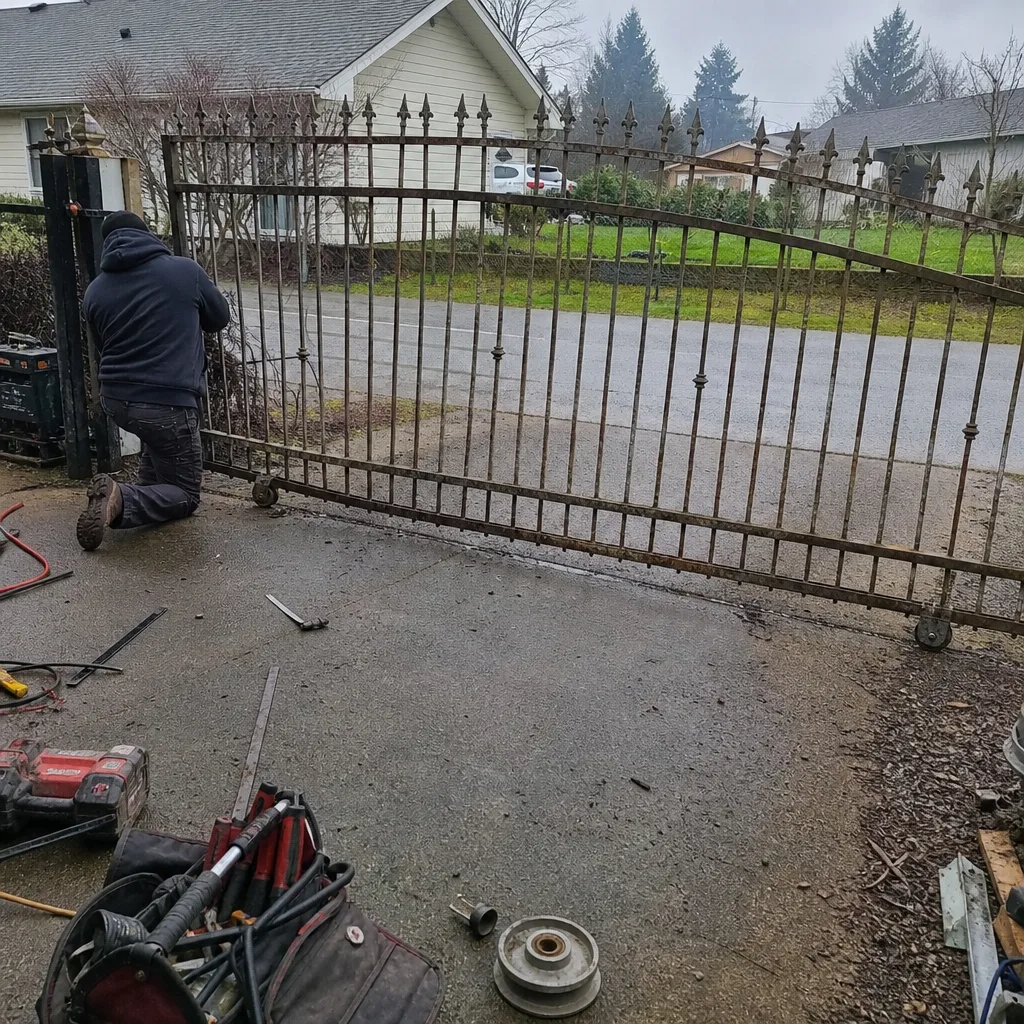 Before
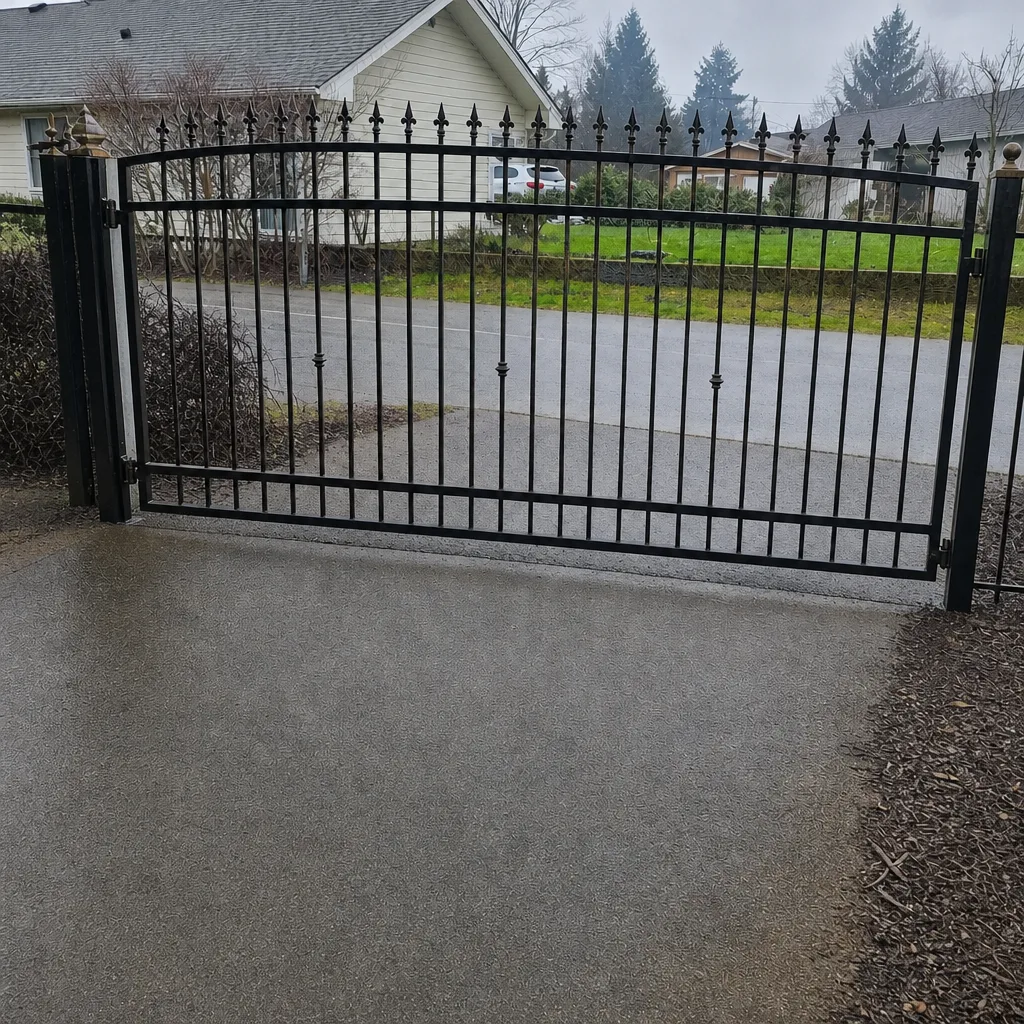 After
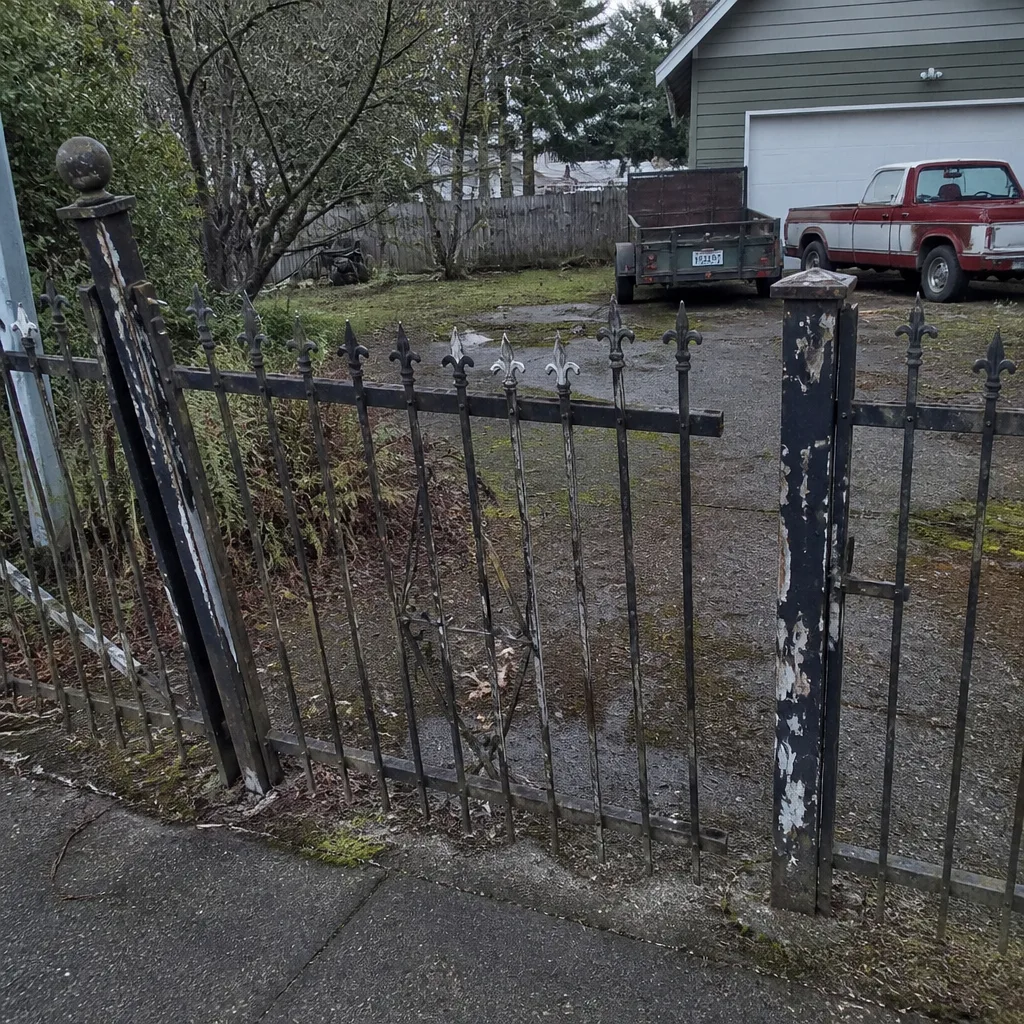 Before
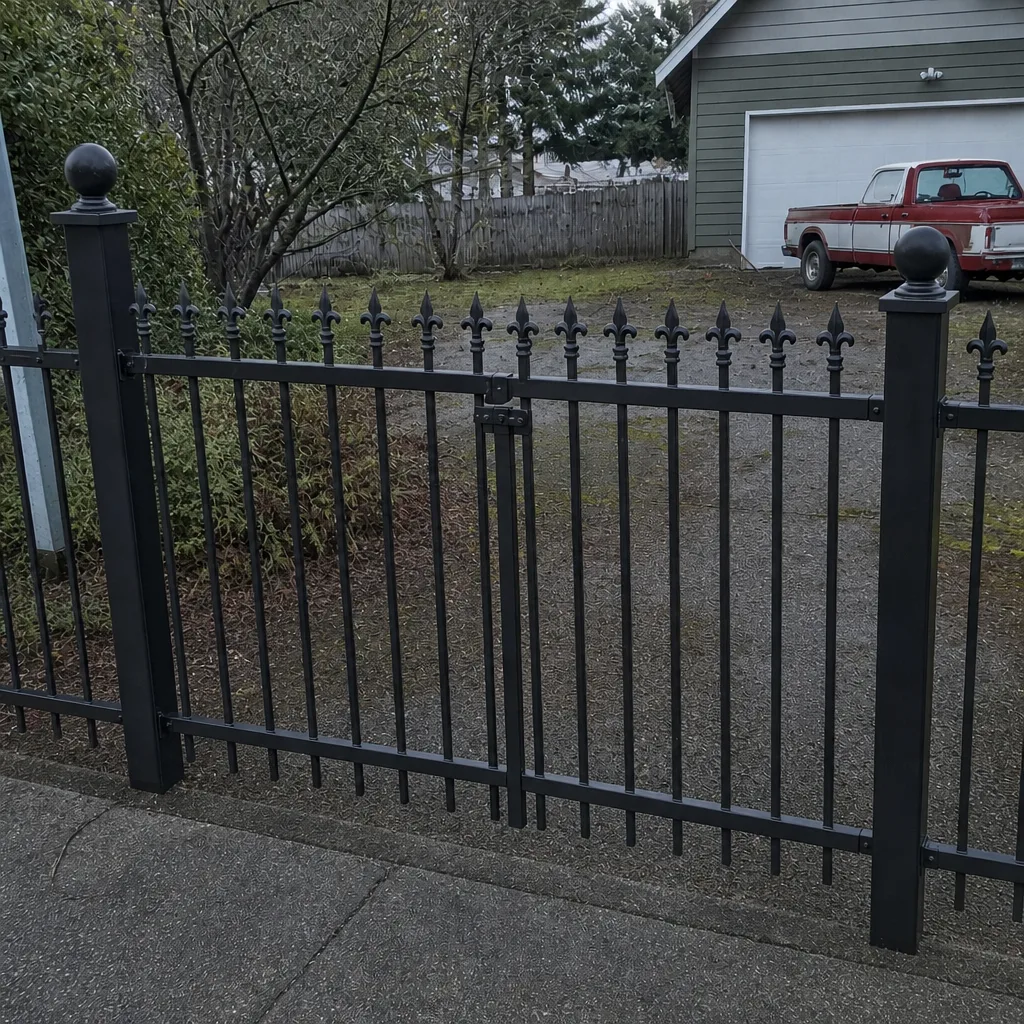 After
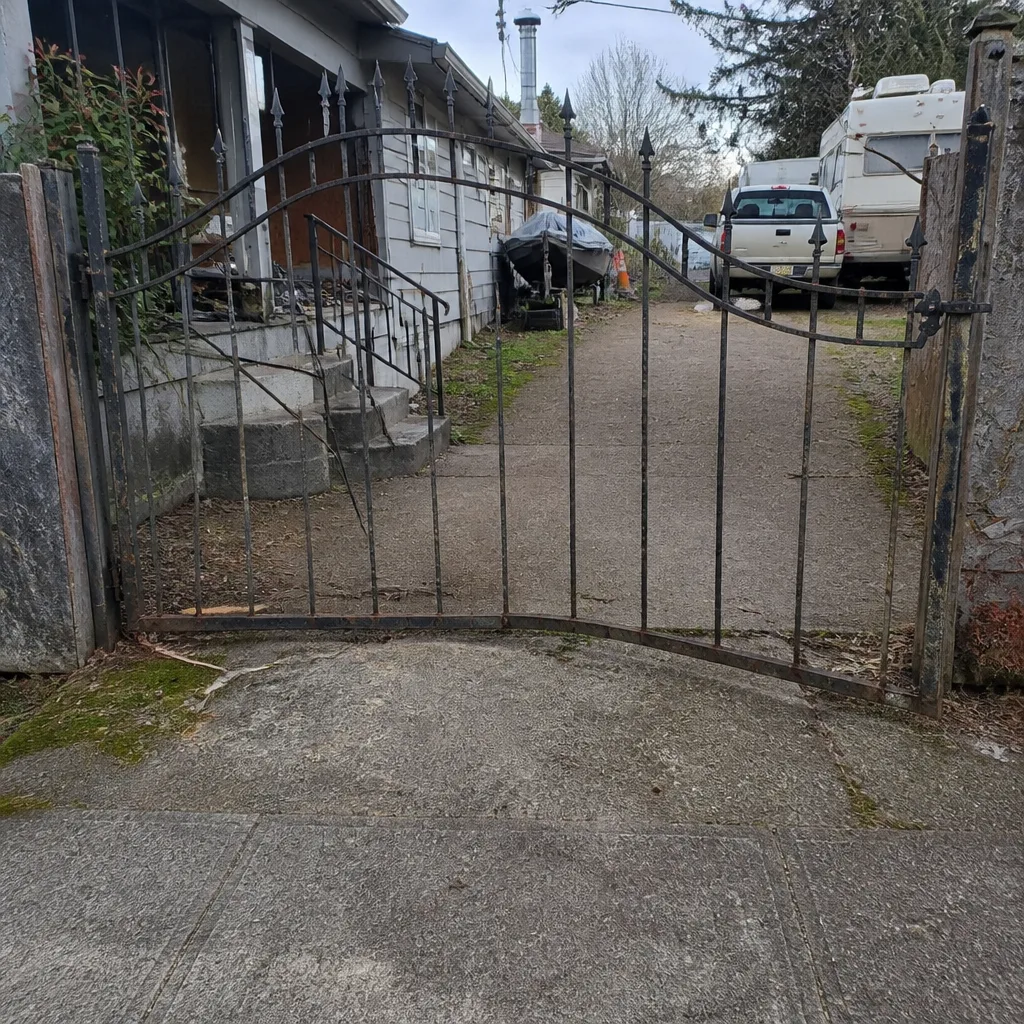 Before
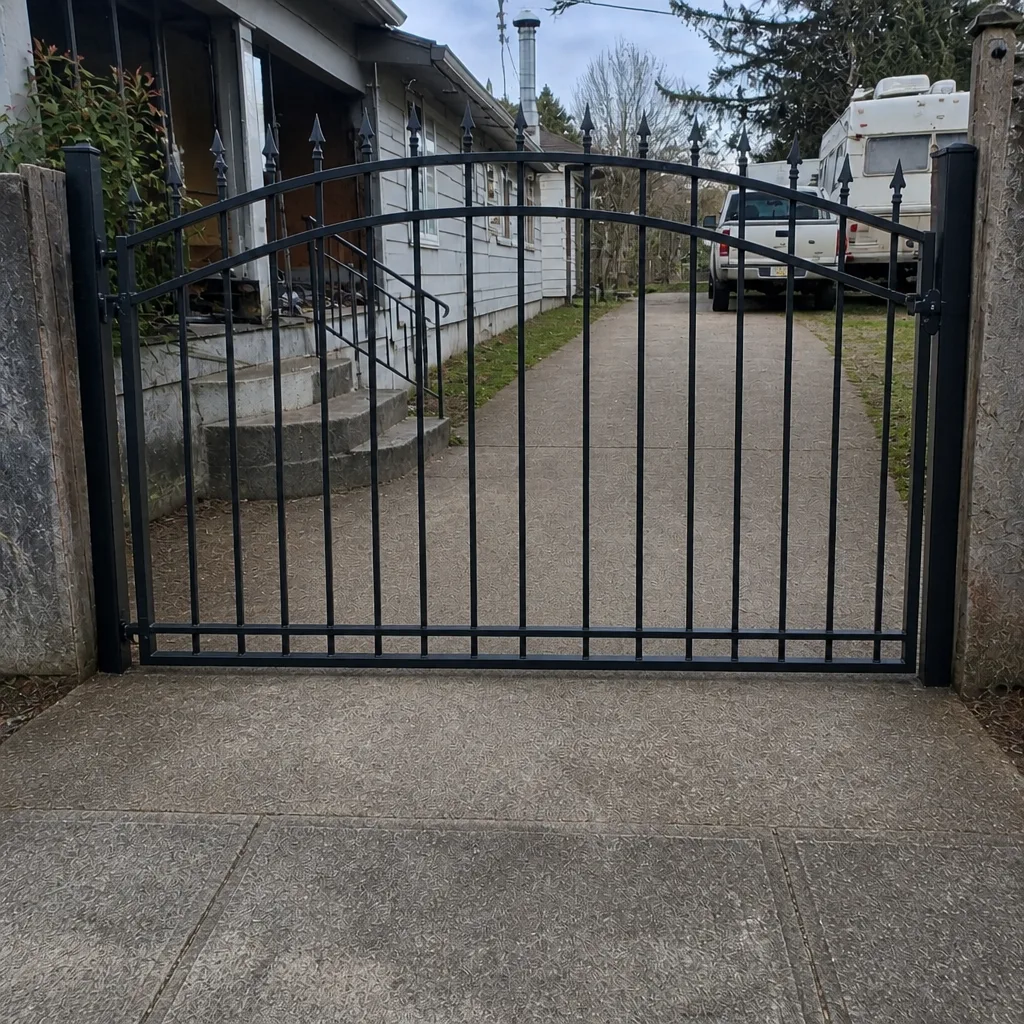 After
When to Call a Professional
Some gate problems are worth watching for a week. Others need a call the same day. The clear signals to call a gate specialist: the gate has reversed on a vehicle or a person, the motor has overheated or shut down mid-cycle, the gate has come off its track or hinges, a post has visibly moved, or the operator has thrown an error code that persists after a power cycle. Automated gate repairs involve line voltage, safety devices that protect people and vehicles, and control boards that fail in ways that mimic other problems, so this isn’t a DIY repair zone. Our technicians have up to 11 years of experience with the brands installed across St. Johns homes, HOAs, and commercial properties. Gate Repair St. Johns offers free estimates in St. Johns. Call (833) 513-9268 to schedule a diagnostic visit and get an accurate scope on the actual problem.
Frequently Asked Questions
Gate repair in St. Johns typically runs from a service-call-and-adjustment range up to several hundred dollars when a motor, control board, or footing repair is involved. The final price depends on which root cause is behind the symptom, so getting an accurate diagnosis first is what keeps the quote realistic. A hinge adjustment on an aligned gate is very different in scope from a post reset plus a motor service. Call (833) 513-9268 for an exact quote; estimates are free.
Same-day service is often possible for repair calls in St. Johns, and dispatch runs from 7am to 7pm. The technician’s first job is to identify the root cause quickly so the visit isn’t just a diagnostic. Call (833) 513-9268 and describe the failure; we’ll tell you what’s realistic for your gate.
Repeat misalignment in St. Johns almost always traces back to post movement from clay-heavy soil, not to the hinges themselves. Clay swells in the wet season and shrinks in the dry season, and the resulting movement tips the post a fraction each cycle. Adjusting the hinges without correcting the post is why the same fix recurs every season. Call (833) 513-9268 to have the footing and post plumb checked before more hardware is adjusted.
Photograph the gate in its stuck position, capture the error code or LED blink pattern on the control board, and note whether the failure happens on open, close, or mid-travel. Note whether the failure correlates with rain, and write down what you’ve already tried. Good documentation turns the first visit into a repair visit instead of a diagnostic-only call. Call (833) 513-9268 once you have those notes and we can quote the work more accurately.
We work on the brand you already have across nine major gate automation brands, including FAAC, BFT, Linear, Viking, LiftMaster, DoorKing, Ghost Controls, Elite, and Mighty Mule. That covers most of what’s installed on St. Johns residential and commercial gates. Call (833) 513-9268 with the brand and model and we’ll confirm before scheduling.
Yes, and it’s worth diagnosing before it fails outright. Intermittent failures after rain usually point to moisture intrusion into the operator housing, control board, or wiring conduit, and the eventual failure is often the board itself. Catching it early is the difference between a gasket-and-seal repair and a board replacement. Call (833) 513-9268 to schedule a moisture check before the next wet season.
The Bottom Line
Gate repair in St. Johns comes down to identifying which of the three root causes you’re dealing with: foundation shift, moisture intrusion, or motor neglect. The first symptom is rarely the actual problem, and the fix that lasts is the one that addresses the cause, not the symptom. Check the post before you touch the motor. Document the failure before you call. And when the problem involves line voltage, control boards, or hardware that has visibly moved, bring in a gate specialist rather than a generalist. The diagnostic order of operations isn’t a suggestion; it’s the sequence that keeps you from paying for the same repair twice. Underlying all of it is a simple principle: fix the cause, and the gate stays fixed. Our technicians have up to 11 years of experience working through exactly this sequence on St. Johns gates, from a single hinge to a full operator replacement, with every job quoted and agreed before any work starts.
Call Gate Repair St. Johns at (833) 513-9268 for a free estimate. One call covers it all: repair, installation, motor and opener service, and access control for homes, HOAs, and commercial properties across St. Johns.
Written by the team at Gate Repair St. Johns.