Last updated November 25, 2026
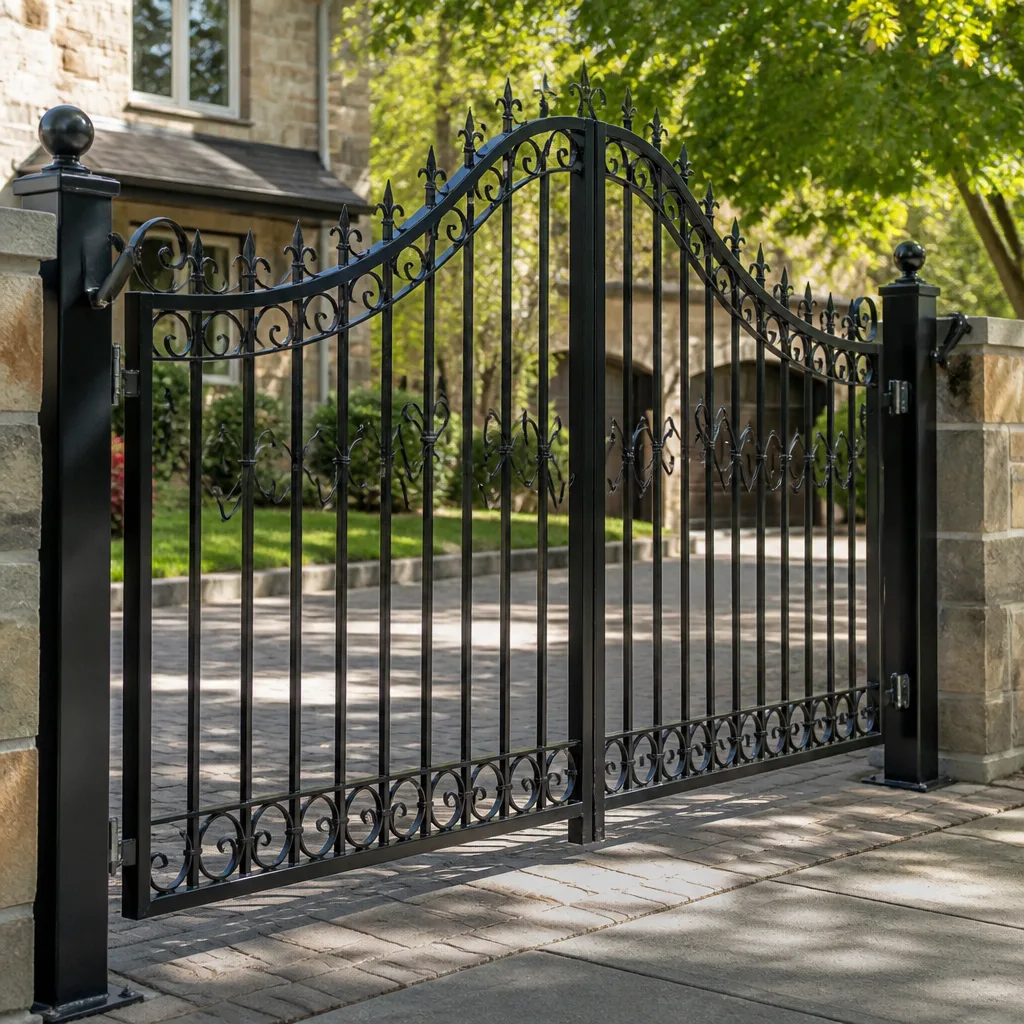 Wrought iron
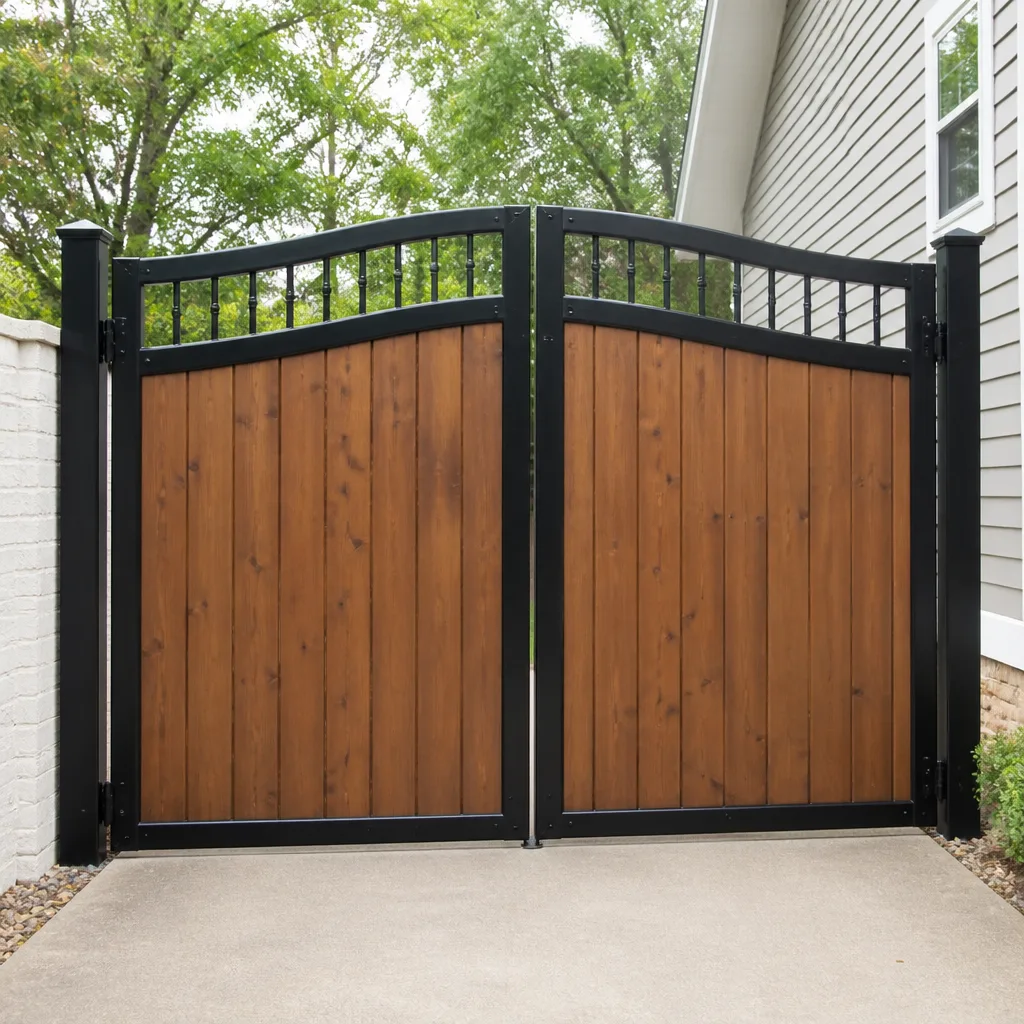 Wood & steel frame
 Farm & ranch
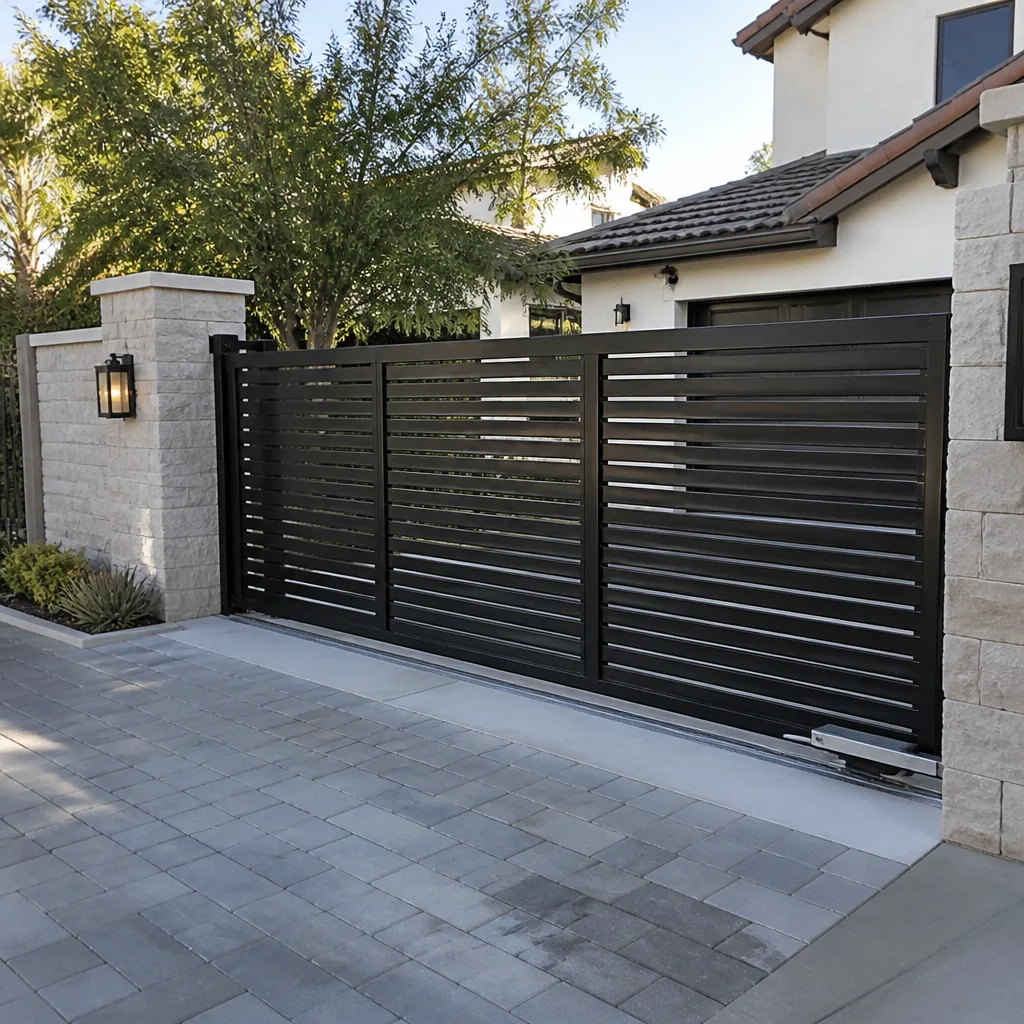 Sliding driveway gates
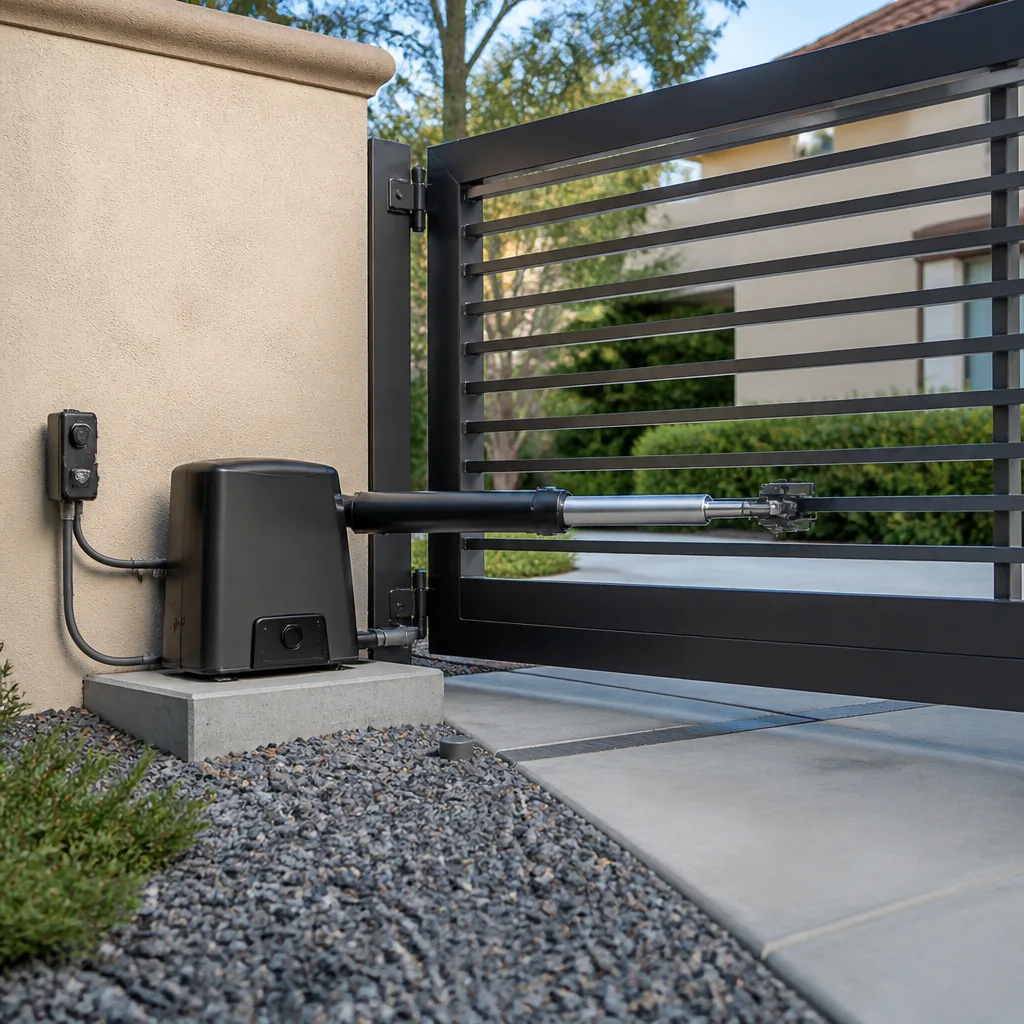 LiftMaster operators
Free on-site gate assessment - hinges, posts, and your LiftMaster or Nice gate operator checked before anything is quoted
The assessment is free and the quote is the invoice.
Get your free estimateGate Repair Permits, Codes & Inspections in St. Johns, OR: What You Need to Know
A gate motor swap sounds like a simple repair. Replacing a dead opener with the same brand, reusing the existing wiring, and getting the driveway working again in an afternoon seems like the kind of job that never touches a permit office. But if the swap involves changing the voltage supply or modifying the control circuit, the Portland Bureau of Development Services may classify it as electrical work that requires a permit, and most contractors won’t tell you that upfront. That single distinction is where homeowners in St. Johns get into trouble. This guide covers the permit thresholds that actually apply to gate work, what UL 325 requires regardless of local permits, how zoning setbacks shape where a gate can legally sit, what an inspector looks at, and why an unpermitted modification can create a title problem when you sell. If you want your gate working and your paperwork clean, this is the page to read before anyone touches the operator.
Quick Answer
In St. Johns and the rest of Portland’s jurisdiction, a like-for-like repair (a hinge, a latch, a roller, a board swap that keeps the same power supply and circuit) generally doesn’t require a permit, while anything that adds a new electrical circuit, changes voltage, alters the structural posts or footings, or brings a new automated gate into service usually does. On top of local permits, every automated gate must meet UL 325, the federal safety standard for gate operators, no matter what the city requires. When in doubt, confirm with the Portland Bureau of Development Services before work starts.
Styles & brands we work with
- Wrought iron
- Wood & steel frame
- Farm & ranch
- Sliding driveway gates
- LiftMaster operators
Table of Contents
- Do you need a permit for gate repair in St. Johns?
- UL 325 and automated gate safety: what the code actually requires
- Setbacks, corner lots, and the Portland Zoning Code
- When gate work crosses into electrical permitting
- How an unpermitted gate affects your homeowner’s insurance
- The inspection process: timeline and what inspectors look at
- Selling a home with an unpermitted gate in St. Johns
- Common mistakes to avoid
Do you need a permit for gate repair in St. Johns?
Most repairs don’t need a permit, but the line between “repair” and “modification” is where Portland’s permit rules get interesting. A permit is generally required when the work changes the structure, the electrical system, or the safety envelope of the gate. It’s generally not required when you’re restoring what was already there to working order.
Here’s how the split usually falls in practice:
- No permit typically needed: fixing a sagging swing gate, replacing a hinge or roller, re-hanging a gate panel, replacing a latch, swapping a control board with an identical unit, changing a remote or keypad battery, adjusting a limit switch.
- Permit often required: installing a brand-new automated gate system, running a new dedicated 120V circuit to the operator, changing a low-voltage operator to a 120V unit, pouring or replacing footings, altering the driveway approach, or moving a gate post.
- Case-by-case: upgrading a manual gate to automatic, replacing an operator with a different voltage class, or adding a new access control circuit that ties into the home’s electrical panel.
In our experience, most St. Johns homeowners can fix a broken gate without a permit. The trouble starts when the repair becomes an upgrade and nobody flags the electrical piece. If you’re unsure which category your job falls into, the safest move is a short call to the Bureau of Development Services before work begins. Our technicians have up to 11 years of experience and know the difference between a like-for-like swap and a job that needs a permit pulled.
UL 325 and automated gate safety: what the code actually requires
UL 325 is the federal standard for gate operators, and it applies to every automated gate in St. Johns regardless of what permits the city requires. You can’t opt out of UL 325 by skipping a permit; the safety standard travels with the equipment. This is the part of gate ownership that gets neglected most often, and it’s the one an inspector or an insurance adjuster will look at first after any incident.
At the practical level, UL 325 compliance means the gate system has to sense an obstruction and stop or reverse. That comes down to a handful of components:
- Photoelectric sensors: a beam across the gate opening that detects a person or vehicle and prevents the gate from closing through them.
- Loop detectors: the wire loops buried at the driveway that tell the operator a vehicle is present.
- Edge sensors: contact strips on the leading edge of the gate that trigger a reversal on contact.
- Inherent entrapment protection: the operator’s built-in ability to cut off power and reverse when it meets resistance.
- Warning signage: the “Warning: Automatic Gate” placard that has to be visible.
If any of those components fails, the gate isn’t just inconvenient; it’s out of compliance. A gate that closes without obstruction detection is a legal exposure and a genuine hazard, especially on a property with children or pets. This is where a gate specialist matters: general handyman and fence companies often install operators without a full UL 325 accessory set. Brands like LiftMaster, FAAC, Elite and Mighty Mule all make UL 325-compliant systems, but only when the sensors and edge protection are installed and working alongside them. When a motor fails or a gate won’t stop closing, call (833) 513-9268 for a free estimate and we’ll assess the whole system, not just the motor.
Setbacks, corner lots, and the Portland Zoning Code
Portland Zoning Code governs where a gate can sit on a property, and St. Johns’ grid streets make the setback rules more relevant than they are in most of Portland. A high percentage of homes here sit on corner lots, and a corner lot has two front yards for zoning purposes. That changes where a fence or gate can legally run and how much clearance the swing arc needs.
The rules to know:
- Front setback: a gate at the property line has to respect the front setback for fences and similar structures in that zone. On a corner lot, both street-facing sides count.
- Sight distance at corners: gates, posts and fencing cannot block the sight triangle at a corner intersection. That’s a public safety requirement, not just a zoning one, and it applies even on a residential street.
- Swing arc clearance: a swing gate needs clear space on its opening arc. On a St. Johns lot with a narrow parkway, a gate that looks fine on paper can open into the sidewalk and fail inspection.
- Slide gate overflow: a slide gate needs flat room for its travel. On a sloped corner lot, that floor space isn’t always available, and a gate that travels past the setback line needs rework.
The practical effect: before you plan a gate placement, measure the set-back distance on both street-facing sides and check the sight triangle at the corner. If you’re in a zone overlay or a historic district, add a step for design review. Portland BDS can confirm the specific setback for your zone; ask before you build, not after. We can help you plan a gate that fits the footprint – our gate installation work includes site measure and clearance planning, so you’re not discovering a setback problem after the posts are set.
When gate work crosses into electrical permitting
This is the section most contractors don’t lead with. The Portland Bureau of Development Services treats electrical work on a gate operator as electrical work, which means a permit and inspection can enter the picture once you change the supply voltage, add a circuit, or modify the control circuit. A like-for-like board replacement on the same voltage is usually a repair. A swap from a low-voltage operator to a 120V unit, or a new dedicated line from the house out to the gate, is a permit job.
Here’s a rough rule of thumb for the St. Johns market:
- Same operator, same voltage, same wiring: typically a repair, no electrical permit.
- Different operator, same voltage, same circuit: usually a repair, but confirm with a licensed electrician who knows the gate circuit.
- New circuit or new voltage supply: typically requires an electrical permit and an inspection.
- Any tie-in to the panel: always requires a licensed electrician and a permit.
In our experience, the gate motor swap gotcha happens most on Mighty Mule and older Elite operators where the homeowner wants a newer, stronger unit and the wiring wasn’t sized for it. That’s when the job stops being a repair. If you’re considering an operator upgrade, our gate motor & opener team can tell you upfront whether the change triggers a permit, and we’ll coordinate with the electrician instead of leaving you to sort it out after the fact.
How an unpermitted gate affects your homeowner’s insurance
An unpermitted gate modification can complicate a homeowner’s insurance claim if the gate later contributes to property damage or injury. Insurers look at whether the work was done to code and whether permits were obtained. A gate that was never inspected and later fails – a swing gate that strikes a parked car, a slide gate that closes on a child, an operator that reverses improperly – can become a coverage dispute rather than a straightforward claim. We’re not an insurance company and we don’t give coverage advice, but we’ve seen how quickly the permit question surfaces when something goes wrong.
The specifics that matter:
- Code compliance: an automated gate must meet UL 325. If the operator was installed without sensors or edge protection, that’s a known defect, not an unforeseeable one.
- Permit records: Portland BDS keeps permit history. An adjuster or a future buyer can pull that history and see what was permitted and what wasn’t.
- Electrical work: an unpermitted circuit run to the gate is an electrical hazard separate from the gate itself, and insurers take a dim view of unpermitted electrical.
- Liability exposure: if a gate injury occurs and the gate was modified without a permit, the homeowner’s position is weaker, not stronger.
The takeaway for St. Johns property owners: keep the paperwork. Permits are cheap compared to a disputed claim. If you’re unsure whether your current gate has the right documentation, we can inspect the system, tell you what’s compliant and what isn’t, and give you a written plan – free estimate, clear scope, no work started until you approve it. Call (833) 513-9268.
The inspection process: timeline and what inspectors look at
A gate-related inspection in St. Johns usually follows the same arc as other Portland BDS inspections: the permit is pulled before work, the rough-in is inspected at specified stages, and a final inspection closes the permit. Timeline varies with the scope – a simple electrical permit for a new circuit runs shorter than a structural or zoning review that includes a corner-lot setback question. Ask BDS for the specific inspection sequence on your permit; the sequence depends on what’s being inspected.
What inspectors typically look at on a gate job:
- Footings and posts: depth, size, and anchoring, especially on swing gates where the post carries real load.
- Electrical: the circuit to the operator, conduit, disconnect, and grounding. This is where unpermitted work gets caught.
- Setback compliance: that the gate and posts sit where the permit says they sit, and that the sight triangle on a corner lot is clear.
- UL 325 accessories: photoelectric sensors, edge sensors or loop detectors present and functioning, plus warning signage.
- Operator function: that the gate opens and closes, reverses on obstruction, and stops as designed.
- Structural soundness: post integrity, hinge condition, and that the gate doesn’t bind, sag, or drag.
The safest approach is to have the gate serviced and tested before an inspection so there are no surprises. If your gate is due for a check, our gate repair team can service and test the operator, sensors, and hardware ahead of the appointment. We work on LiftMaster, FAAC, BFT, Linear, Viking, Ghost Controls, DoorKing, Elite, and Mighty Mule equipment, which covers the brands you’re most likely to find on a St. Johns property.
Selling a home with an unpermitted gate in St. Johns
An unpermitted gate in St. Johns can surface during a home sale as a title or disclosure problem, and it happens more often than most owners expect. When a buyer’s inspector or title company pulls the permit history for a property, a gate installed without a permit or an electrical circuit run without inspection can show up as a discrepancy that needs to be resolved before closing. In a St. Johns market with older homes and later gate upgrades, this is a recurring item.
Here’s what usually happens in the sales cycle:
- Disclosure: the seller has to disclose known unpermitted work on the property disclosure statement. Buyers ask questions.
- Buyer inspection: a gate inspector or general inspector flags missing permits, non-UL 325 sensors, or an unpermitted circuit.
- Negotiation: the buyer asks for a price reduction or a repair credit to cover bringing the gate to compliance.
- Title: a permit discrepancy can hold up closing until it’s resolved with the city, which takes time and money.
The smart move is to handle it before listing. Pull the permit history from Portland BDS, get a gate specialist to assess what needs correcting, and get the compliance work done with a permit if required. It’s a much easier conversation from the seller’s side than from under a contract deadline. If you’re planning to sell and want a pre-listing gate assessment, our Gate Repair St. Johns team can look over the system and tell you what needs attention – free estimate, written scope, work scheduled on your timeline.
Common Mistakes to Avoid
- Assuming all repairs are permit-free. A board swap on the same voltage is usually a repair, but a voltage change or a new circuit is a permit job. Confirm the classification before work starts.
- Buying an operator without checking the wiring. A stronger operator on undersized wiring is both a safety problem and an unpermitted electrical change. Size the circuit first.
- Ignoring UL 325 accessories on a new install. An operator without photoelectric or edge sensors isn’t compliant, no matter how well it opens. Inspectors and insurers both look for the sensors.
- Planning gate placement without checking the sight triangle. On St. Johns corner lots, a gate that blocks intersection sight distance fails inspection even if it’s inside the setback. Measure both street sides.
- Skipping the permit to save time. A permit is inexpensive next to a disputed insurance claim or a delayed closing. Pull it before the work, not after.
- Hiring a generalist for gate work. Electric gate failures often involve control boards, loop detectors and sensors that a fence or handyman company doesn’t service. A gate specialist like our team diagnoses the whole system, not just the motor.
- Not keeping the documentation. Keep the permit, inspection card, and service records. When you sell, they answer the questions a buyer will ask.
See the difference
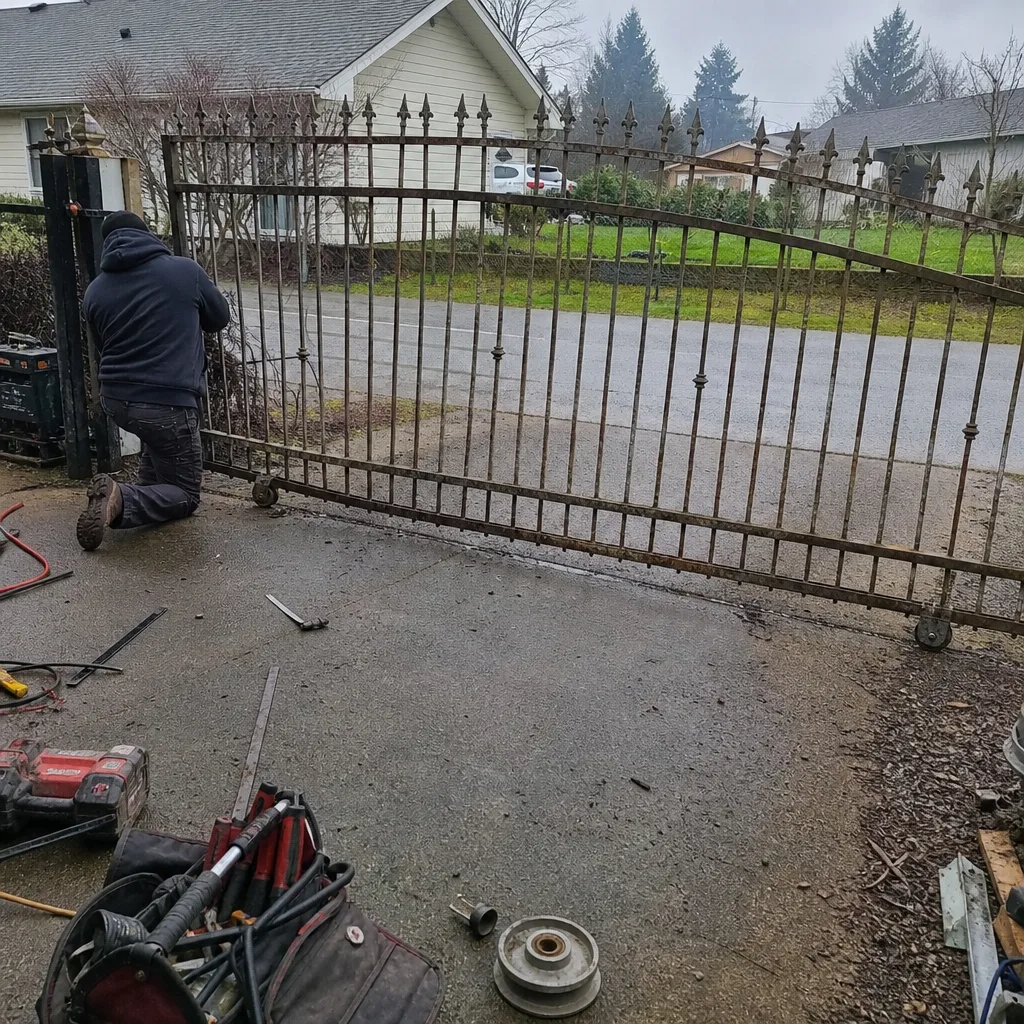 Before
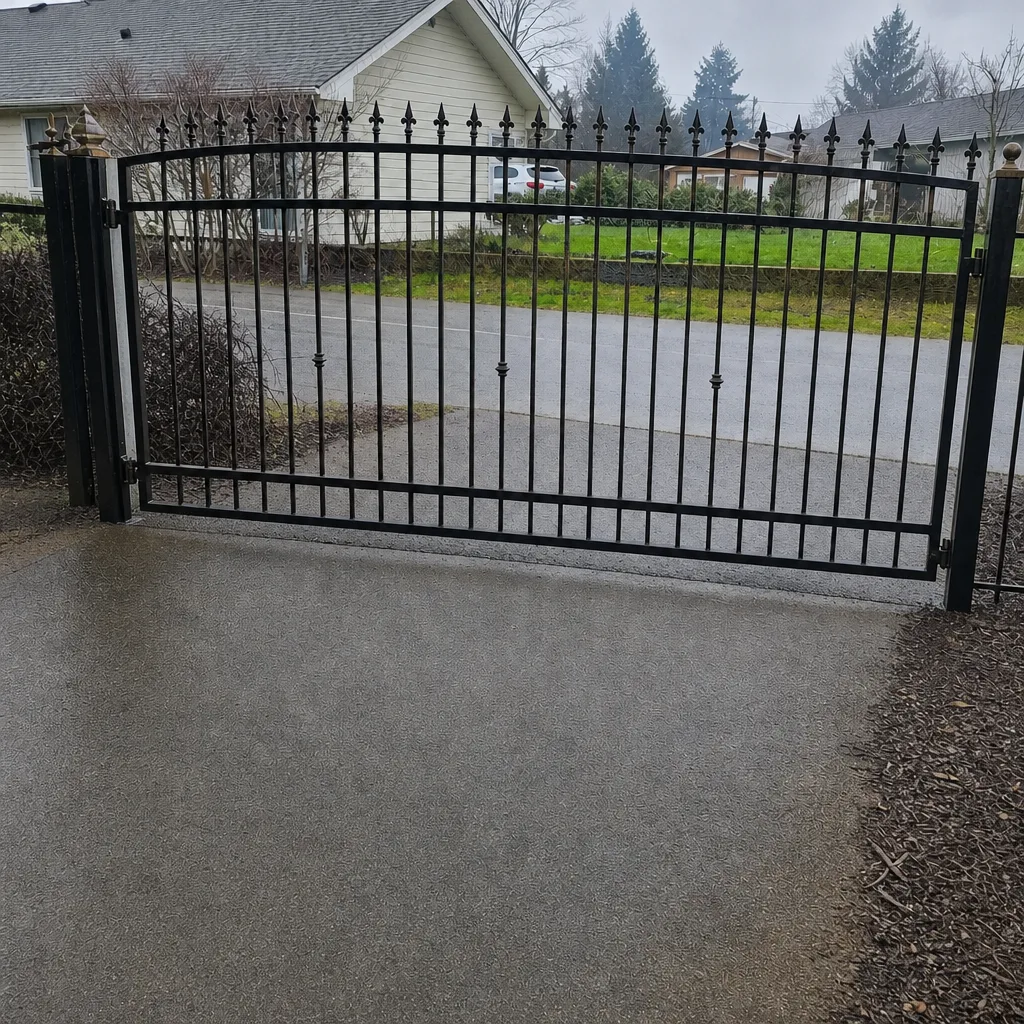 After
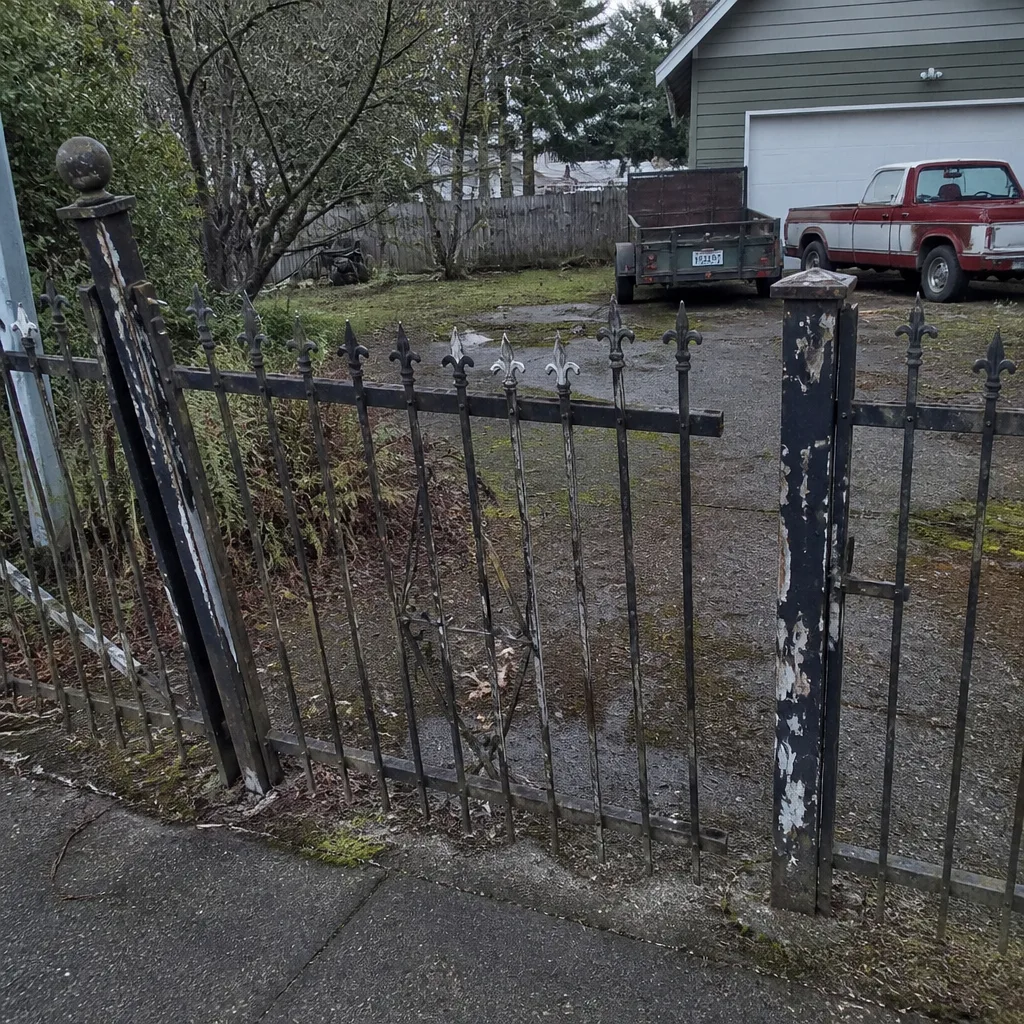 Before
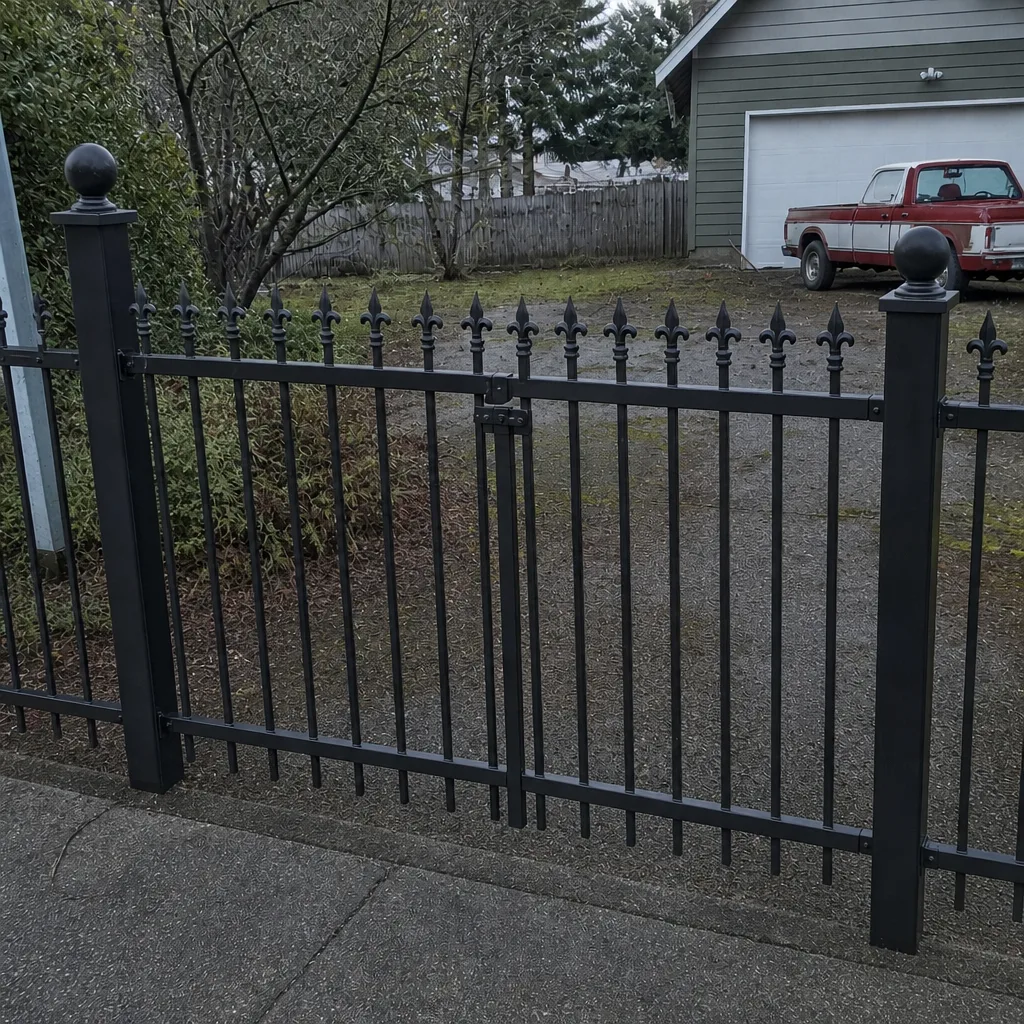 After
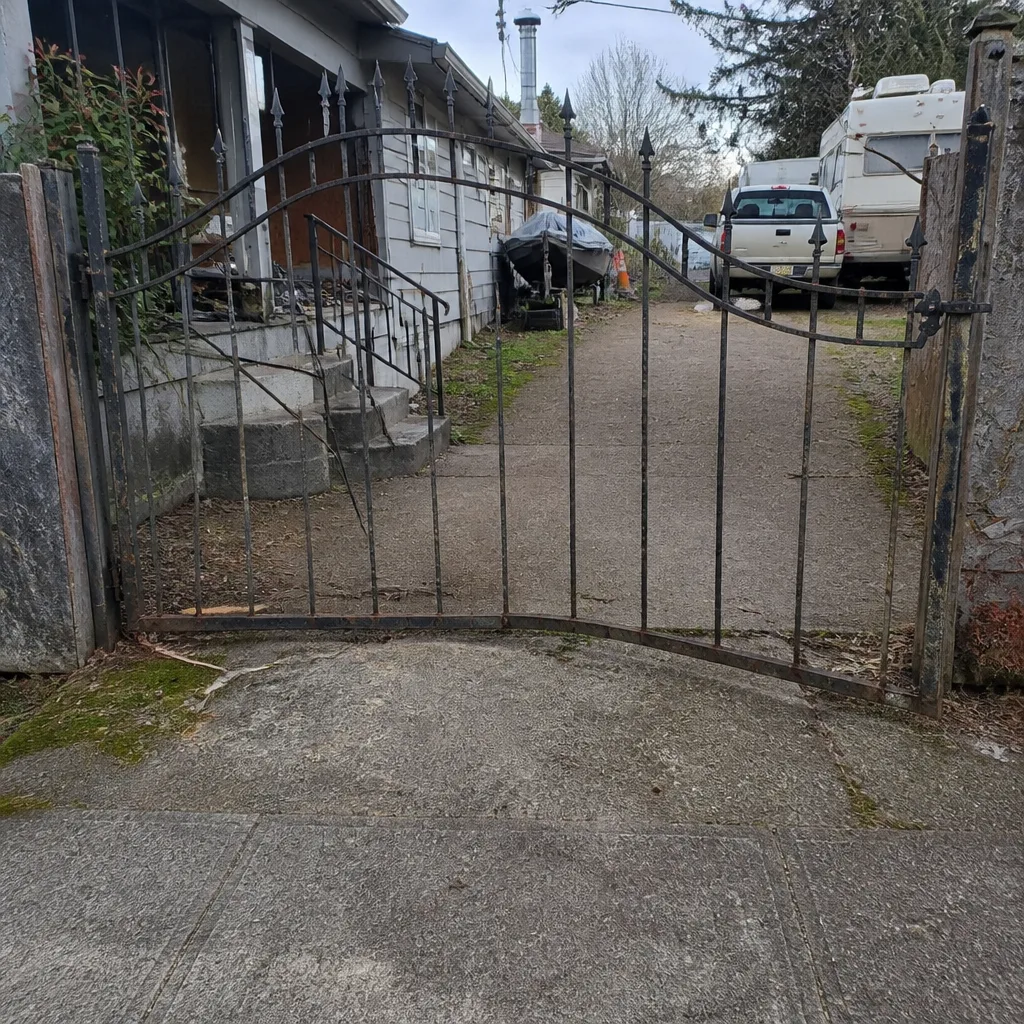 Before
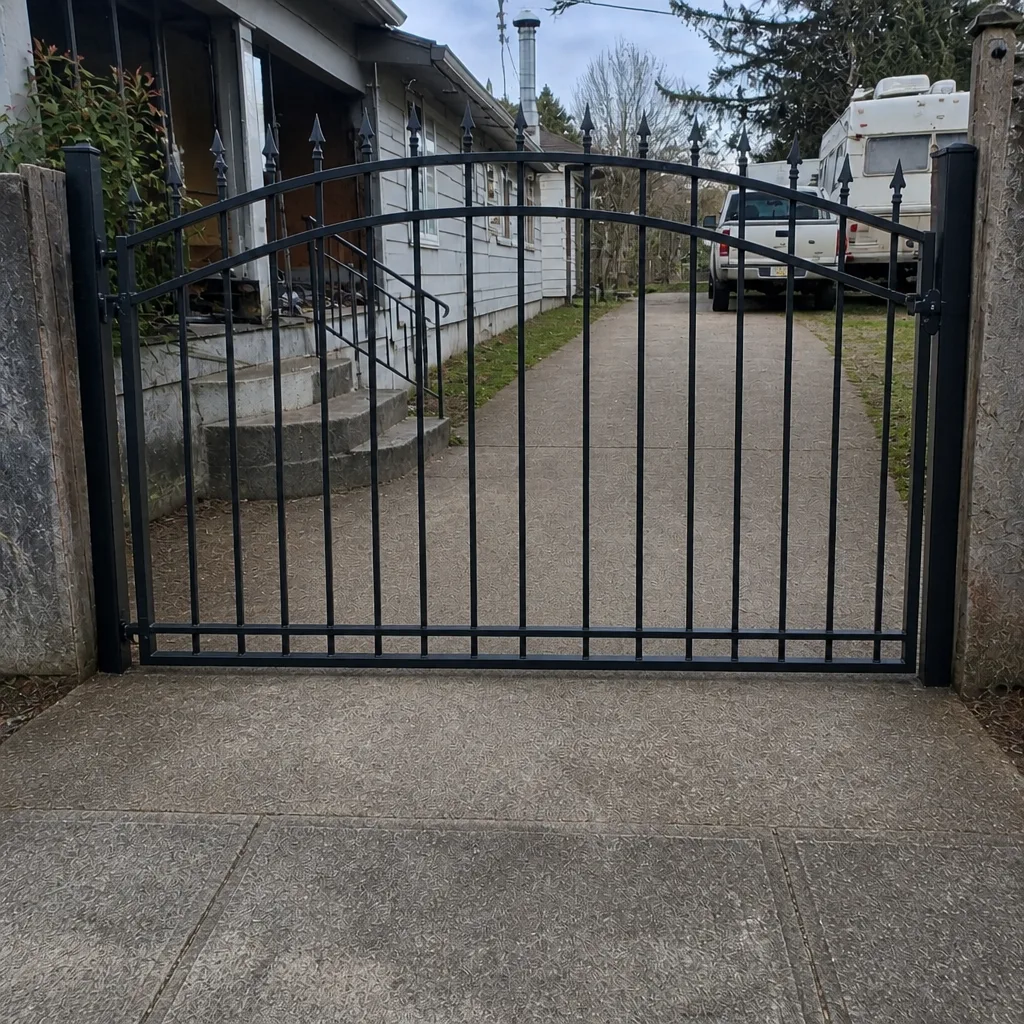 After
When to Call a Professional
Call a gate specialist when your automated gate won’t reverse on obstruction, when a sensor or loop detector stops working, when the operator needs a voltage change or a new circuit, when the gate posts or footings need repair, or when you’re about to install or upgrade an automated gate and need the permit question sorted before work starts. Electric and automated gate failures in particular rarely stay simple – a dead operator often traces back to a control board, a sensor, or a wiring fault that a generalist can’t trace. Gate Repair St. Johns offers free estimates in St. Johns – call (833) 513-9268. We work on the brand you already have, from the motor to the keypad, and we’ll tell you upfront whether a permit is required. All pricing is given as a written estimate and agreed before any work starts, so there are no surprises on the invoice.
Frequently Asked Questions
Usually not if it’s a like-for-like replacement on the same voltage and circuit; but you likely do need a permit if the swap changes the voltage supply, adds a new circuit, or modifies the control circuit, because Portland BDS treats that as electrical work. Confirm with the Bureau of Development Services before work begins. Call (833) 513-9268 and we’ll walk you through whether your swap triggers a permit – estimates are free.
Yes. UL 325 is the federal standard for gate operators, and it applies to every automated gate regardless of local permit requirements. That means photoelectric sensors, edge sensors or loop detectors, entrapment protection, and warning signage all need to be present and working. If your operator is missing any of those components, call (833) 513-9268 for an assessment.
An unpermitted gate can become a disclosure problem when you sell, a coverage dispute if the gate later causes damage or injury, and a correction order from the city if it’s discovered during inspection. The fix is usually a retroactive permit and inspection, but it’s cheaper and faster to get the permit before the work. Call us for a free estimate on bringing the gate into compliance.
No. A gate that swings into a public sidewalk or blocks the sight triangle at a corner intersection fails zoning and public safety requirements, even if the gate is inside the property line. Corner lots in St. Johns are especially prone to this. We measure the swing arc and clearance before quoting so the gate fits legally. Call (833) 513-9268 to schedule a measure.
We coordinate the full automated gate system, including the operator, the UL 325 sensors, edge protection, loop detectors, and the details of the install. The electrical circuit itself is run by a licensed electrician under permit when one is required. We’ll tell you upfront what’s in scope and what needs an electrician. Free estimates – call (833) 513-9268.
The inspection itself is typically short, but the timeline depends on the permit scope and how quickly the rough-in and final scheduling comes around. Structural and zoning reviews take longer than a straightforward electrical permit. Ask Portland BDS for the specific inspection sequence on your permit. If you want the gate pre-tested before the inspection, call (833) 513-9268 and we’ll schedule a service visit.
The Bottom Line
Gate work in St. Johns lives on a line between repair and modification, and that line is where permits, UL 325 compliance, setback rules, and insurance coverage all meet. A like-for-like repair usually doesn’t need a permit; a voltage change, a new circuit, a new install or a footprint change usually does. UL 325 applies no matter what. Setback and sight-triangle rules matter most on St. Johns corner lots. And an unpermitted gate can turn into a closing problem when you sell. One call covers it all – our gate specialists diagnose the operator, sensors, and access control, coordinate the electrician when one is needed, and give you a written price before any work starts. Your gate back on track is the goal. Call (833) 513-9268 for a free estimate in St. Johns.
Written by the team at Gate Repair St. Johns.